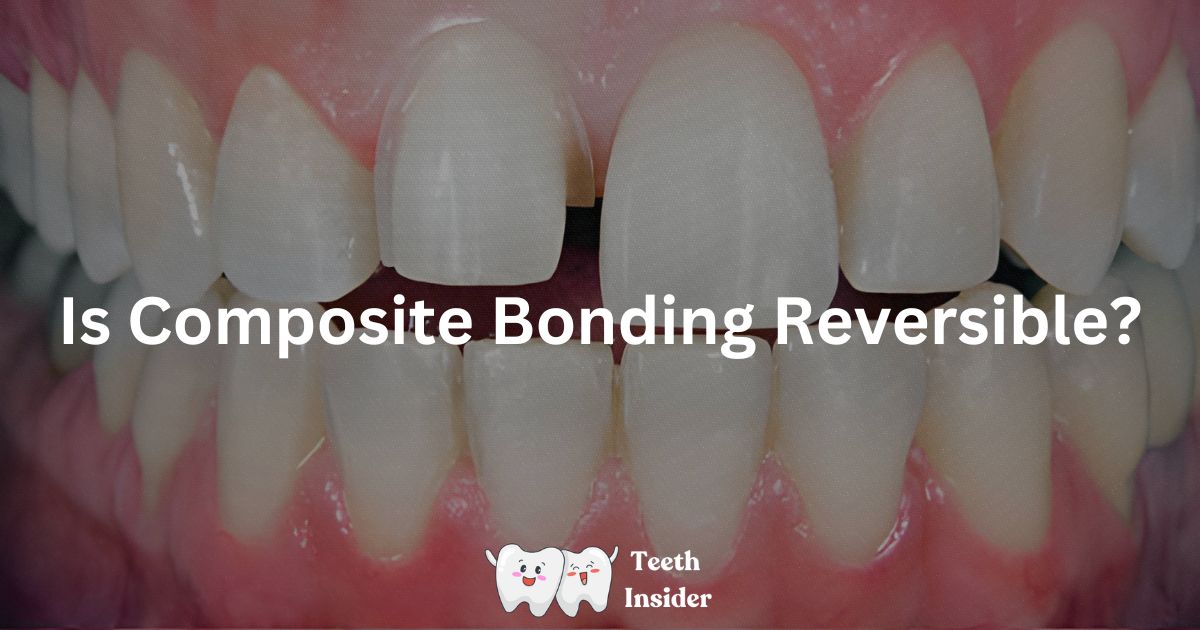
Composite bonding is generally considered a reversible cosmetic procedure because it involves minimal removal of natural tooth enamel. Dentists can remove or adjust the bonded resin without causing permanent damage, making it a flexible option for patients who may want future changes or improvements.
Understanding the reversibility of composite bonding is important for anyone considering cosmetic dental work. It provides insight into risks, maintenance, and potential costs compared to permanent alternatives.
How Composite Bonding Can Be Reversed
Reversing composite bonding involves carefully removing the resin using dental instruments. The process preserves the underlying enamel in most cases. After removal, teeth can either remain natural, receive a new layer of bonding, or be treated with alternative cosmetic procedures.
Situations Where Bonding May Be Considered Permanent
In some cases, small amounts of enamel are slightly altered to ensure proper adhesion of the composite. When enamel is removed, the procedure becomes less reversible. Patients seeking a fully reversible option should discuss treatment plans with their dentist before bonding.
Does Composite Bonding Damage Teeth?
Properly applied composite bonding does not damage teeth. Minimal enamel preparation ensures the tooth remains healthy. However, improper removal or overly aggressive techniques can cause enamel wear. Regular check-ups help prevent bonding damage teeth and maintain long-term results.
How Long Does Composite Filling Last?
While bonding is cosmetic rather than restorative, similar principles apply to composite fillings. With proper care, they can last between five to ten years. Factors influencing durability include diet, oral hygiene, and habits like teeth grinding or nail biting.
Cost Considerations for Reversible Bonding
Composite bonding cost varies based on the number of teeth treated, location, and dentist expertise. Because it is reversible and minimally invasive, bonding often costs less than permanent alternatives like veneers or crowns. Patients should factor in potential touch-ups or replacements when considering overall cost.
Advantages of Reversible Composite Bonding
- Allows cosmetic adjustments or improvements in the future
- Minimally invasive compared to permanent solutions
- Quick procedure, often completed in a single visit
- Preserves most of the natural tooth structure
Limitations and Considerations
Even though bonding is reversible, it is not indestructible. It can chip, stain, or wear over time. Understanding these limitations helps set realistic expectations for longevity and maintenance.
Frequently Asked Questions
Is composite bonding permanent?
Not always. Most procedures are reversible, but minor enamel removal can make it semi-permanent.
Can composite bonding be removed without damaging teeth?
Yes, when performed by a professional using proper techniques, removal does not harm the enamel.
How long does composite bonding last?
With proper care, composite bonding last around three to seven years, depending on habits and oral hygiene.
Does removal of bonding hurt?
No, the process is generally painless, though polishing may create mild sensitivity in some cases.
Is bonding more cost-effective than veneers?
Yes, composite bonding cost is usually lower and offers a less invasive option.
Can bonding damage teeth over time?
Improper application or removal can cause enamel wear, but standard procedures preserve tooth health.
Can composite bonding be reapplied?
Yes, after removal, bonding can be reapplied or replaced with another cosmetic option.
Do bonded teeth require special care?
Yes, gentle brushing, flossing, and avoiding staining foods or habits help maintain durability.
Author: Teeth Insider
Last Updated: January 2026