Categories
Public

Coronavirus disease 2019

Coronavirus disease 2019

COVID-19 is a contagious disease caused by the coronavirus SARS-CoV-2. In January 2020, the disease spread worldwide, resulting in the COVID-19 pandemic.

The symptoms of COVID‑19 can vary but often include fever,[7] fatigue, cough, breathing difficulties, loss of smell, and loss of taste.[8][9][10] Symptoms may begin one to fourteen days after exposure to the virus. At least a third of people who are infected do not develop noticeable symptoms.[11][12] Of those who develop symptoms noticeable enough to be classified as patients, most (81%) develop mild to moderate symptoms (up to mild pneumonia), while 14% develop severe symptoms (dyspnea, hypoxia, or more than 50% lung involvement on imaging), and 5% develop critical symptoms (respiratory failure, shock, or multiorgan dysfunction).[13] Older people have a higher risk of developing severe symptoms. Some complications result in death. Some people continue to experience a range of effects (long COVID) for months or years after infection, and damage to organs has been observed.[14] Multi-year studies on the long-term effects are ongoing.[15]

COVID‑19 transmission occurs when infectious particles are breathed in or come into contact with the eyes, nose, or mouth. The risk is highest when people are in close proximity, but small airborne particles containing the virus can remain suspended in the air and travel over longer distances, particularly indoors. Transmission can also occur when people touch their eyes, nose, or mouth after touching surfaces or objects that have been contaminated by the virus. People remain contagious for up to 20 days and can spread the virus even if they do not develop symptoms.[16]

Testing methods for COVID-19 to detect the virus’s nucleic acid include real-time reverse transcription polymerase chain reaction (RT‑PCR),[17][18] transcription-mediated amplification,[17][18][19] and reverse transcription loop-mediated isothermal amplification (RT‑LAMP)[17][18] from a nasopharyngeal swab.[20]

Several COVID-19 vaccines have been approved and distributed in various countries, many of which have initiated mass vaccination campaigns. Other preventive measures include physical or social distancing, quarantining, ventilation of indoor spaces, use of face masks or coverings in public, covering coughs and sneezes, hand washing, and keeping unwashed hands away from the face. While drugs have been developed to inhibit the virus, the primary treatment is still symptomatic, managing the disease through supportive care, isolation, and experimental measures.

Categories
Blog

Vermont Wellness Link Facts Center Vermont Fitness Hook

Almost every other patterns such as chewing cigarette otherwise high use of 12 feb alcoholic beverages get along with apply to one’s body and may also trigger cancers; and therefore your own advanced get sprout. Including protection both for Pharmac recognized radiation treatment medicines and you will chemo drugs which aren’t Pharmac acknowledged but they are Medsafe-indicated. To have non-emergency scientific guidance 24 hours a day, 365 months per year

  • Number you pay to have protected medical care before your own insurance rates begins paying.
  • The brand new Affordable Proper care Work (ACA) gives more individuals access to medical health insurance.
  • There are even fitness preparations you can buy during your company.
  • More expensive-capability thresholds increase medical health insurance premiums and certainly will create medical insurance smaller reasonable.
  • Visibility to incorporate to health insurance agreements, and bucks-work with preparations, such Accident or Important disease publicity.

You are one-step better! Find a variety of Medicare Advantage arrangements available.

Information which items apply at the purse most depends on the manner in which you fool around with healthcare. Contrast the choices lower than discover and this combination covers your medical professionals, medicines and you will funds without having to pay to own add-ons you simply will not explore. I analyzed all of the metal levels (Catastrophic, Bronze, Expanded Tan, Gold, Gold and you may Rare metal) to own EPO, POS, PPO and you may HMO agreements.

Play with an authorized subscription mate

No matter where you’re, renewing health insurance agreements because of the HDFC Thus is no a lot more a good challenge. Revitalizing health insurance agreements on the web saves hard work. Cancers Let and you can Important Issues plans is purchased which have your quality of life insurance coverage (leaving out HealthEssentials). We have various courses and you will equipment to help you recognize how health insurance work and you may that which you’ll become safeguarded to have. Find other factors that might lead to your quality of life insurance costs to transform. The expense of health insurance may vary, however, on average, our health insurance fees below £47.00 thirty days Footnote .

Categories
General Teeth

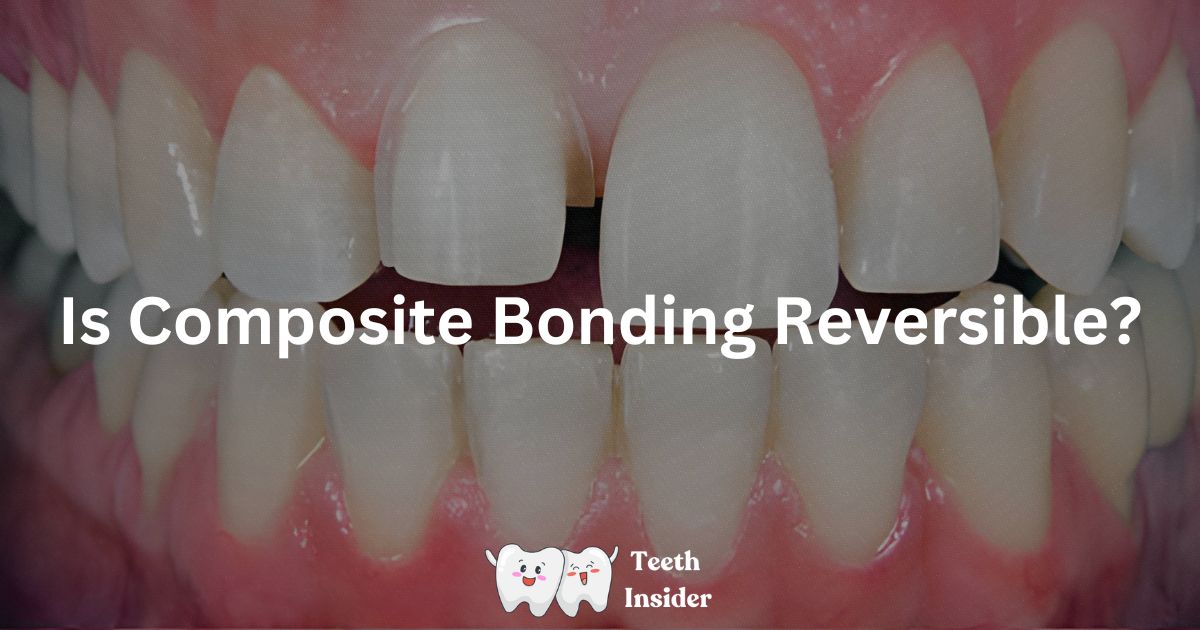
Is Composite Bonding Reversible?

Composite bonding is generally considered a reversible cosmetic procedure because it involves minimal removal of natural tooth enamel. Dentists can remove or adjust the bonded resin without causing permanent damage, making it a flexible option for patients who may want future changes or improvements.

Understanding the reversibility of composite bonding is important for anyone considering cosmetic dental work. It provides insight into risks, maintenance, and potential costs compared to permanent alternatives.

How Composite Bonding Can Be Reversed

Reversing composite bonding involves carefully removing the resin using dental instruments. The process preserves the underlying enamel in most cases. After removal, teeth can either remain natural, receive a new layer of bonding, or be treated with alternative cosmetic procedures.

Situations Where Bonding May Be Considered Permanent

In some cases, small amounts of enamel are slightly altered to ensure proper adhesion of the composite. When enamel is removed, the procedure becomes less reversible. Patients seeking a fully reversible option should discuss treatment plans with their dentist before bonding.

Does Composite Bonding Damage Teeth?

Properly applied composite bonding does not damage teeth. Minimal enamel preparation ensures the tooth remains healthy. However, improper removal or overly aggressive techniques can cause enamel wear. Regular check-ups help prevent bonding damage teeth and maintain long-term results.

How Long Does Composite Filling Last?

While bonding is cosmetic rather than restorative, similar principles apply to composite fillings. With proper care, they can last between five to ten years. Factors influencing durability include diet, oral hygiene, and habits like teeth grinding or nail biting.

Cost Considerations for Reversible Bonding

Composite bonding cost varies based on the number of teeth treated, location, and dentist expertise. Because it is reversible and minimally invasive, bonding often costs less than permanent alternatives like veneers or crowns. Patients should factor in potential touch-ups or replacements when considering overall cost.

Advantages of Reversible Composite Bonding

  • Allows cosmetic adjustments or improvements in the future
  • Minimally invasive compared to permanent solutions
  • Quick procedure, often completed in a single visit
  • Preserves most of the natural tooth structure

Limitations and Considerations

Even though bonding is reversible, it is not indestructible. It can chip, stain, or wear over time. Understanding these limitations helps set realistic expectations for longevity and maintenance.

Frequently Asked Questions

Is composite bonding permanent?

Not always. Most procedures are reversible, but minor enamel removal can make it semi-permanent.

Can composite bonding be removed without damaging teeth?

Yes, when performed by a professional using proper techniques, removal does not harm the enamel.

How long does composite bonding last?

With proper care, composite bonding last around three to seven years, depending on habits and oral hygiene.

Does removal of bonding hurt?

No, the process is generally painless, though polishing may create mild sensitivity in some cases.

Is bonding more cost-effective than veneers?

Yes, composite bonding cost is usually lower and offers a less invasive option.

Can bonding damage teeth over time?

Improper application or removal can cause enamel wear, but standard procedures preserve tooth health.

Can composite bonding be reapplied?

Yes, after removal, bonding can be reapplied or replaced with another cosmetic option.

Do bonded teeth require special care?

Yes, gentle brushing, flossing, and avoiding staining foods or habits help maintain durability.

Author: Teeth Insider
Last Updated: January 2026

Categories
General Teeth

Is Composite Bonding Permanent?

Composite bonding is not permanent but can provide long-lasting cosmetic results. The resin material adheres to the tooth surface and improves appearance, but it may wear, chip, or stain over time. With proper care, composite bonding last several years before needing maintenance or replacement.

Understanding the lifespan and limitations helps set realistic expectations regarding durability and cost, and ensures that patients make informed decisions about their smile.

What Composite Bonding Is

Composite bonding uses a tooth-coloured resin applied to the surface of teeth to correct cosmetic issues. It can repair chips, close gaps, improve shape, and enhance colour. Unlike crowns or veneers, bonding is minimally invasive and preserves most of the natural tooth structure.

How Long Composite Bonding Lasts

On average, composite bonding last between three to seven years. Factors affecting longevity include:

  • Oral hygiene
  • Diet and consumption of staining foods or drinks
  • Habits like nail biting or chewing hard objects
  • Professional dental maintenance

Compared to composite filling last, bonding is more cosmetic-focused and may require touch-ups more frequently to maintain appearance.

Factors That Reduce Bonding Longevity

Certain behaviours can shorten the lifespan of bonding and may even lead to bonding damage teeth if extreme:

  • Excessive grinding or clenching (bruxism)
  • Using teeth as tools
  • Smoking or drinking staining beverages regularly
  • Neglecting regular dental visits

Being mindful of these factors extends the durability and aesthetic quality of bonded teeth.

Is Composite Bonding Permanent or Temporary?

Composite bonding is a semi-permanent solution. While it is durable, it is not designed to last a lifetime like porcelain veneers. Over time, the resin can chip, discolour, or wear down, making touch-ups or replacement necessary. Patients should consider composite bonding cost alongside potential maintenance when planning cosmetic treatment.

How Maintenance Affects Longevity

Regular dental cleanings, gentle brushing, and avoiding abrasive products can help composite bonding last longer. Minor repairs can often restore bonded teeth without fully replacing the material, preserving both appearance and function.

Pros and Cons of Composite Bonding

Pros:

  • Minimally invasive
  • Quick procedure, often completed in one visit
  • Cost-effective compared to veneers
  • Can be repaired or adjusted

Cons:

  • Not as durable as porcelain
  • Susceptible to staining
  • Can chip under heavy pressure
  • Requires periodic maintenance

Frequently Asked Questions

Is composite bonding permanent?

No, it is semi-permanent. It can last several years but may require touch-ups or replacement over time.

How long does composite bonding last?

With proper care, composite bonding last between three to seven years on average.

Can bonding damage teeth?

When properly applied, bonding preserves natural enamel. Damage typically occurs only from poor maintenance or accidents.

Does composite bonding cost more than fillings?

Composite bonding is usually more expensive than standard composite fillings due to its cosmetic application and customization.

Can bonded teeth be repaired?

Yes, minor chips or discoloration can be repaired without removing the entire bonding.

Do bonded teeth stain easily?

Composite resin can stain from coffee, tea, smoking, or dark foods, unlike porcelain alternatives.

Is maintenance required for bonded teeth?

Yes, regular dental visits and careful oral hygiene are important to make composite bonding last longer.

Can bonding replace veneers?

Bonding can improve cosmetic appearance for minor issues but is less durable and less resistant to staining than veneers.

Author: Teeth Insider
Last Updated: January 2026

Categories
General Teeth

How Long Does a Composite Filling Last?

Composite fillings are tooth-coloured restorations used to repair cavities, chips, or cracks. Their lifespan depends on material quality, placement technique, oral hygiene, and chewing habits. On average, composite fillings last between 5 to 10 years, though some may last longer with proper care. Understanding how composite bonding work can help maintain fillings effectively.

People often consider longevity when choosing between composite and other types of fillings, especially for visible teeth or when using NHS dental services.

Factors That Affect the Longevity of Composite Fillings

Several factors influence how long a composite filling lasts:

  • Oral hygiene: Brushing twice daily and flossing prevents decay around the filling.
  • Diet: Sugary or acidic foods can weaken the filling over time.
  • Chewing habits: Biting hard foods or grinding teeth may cause cracks or wear.
  • Location of filling: Front teeth typically experience less force than molars, affecting durability.

Average Lifespan

Composite fillings generally last 5–10 years. Front teeth fillings may last closer to 10 years due to lower chewing pressure, while molar fillings may require replacement sooner. Routine dental check-ups help identify wear or damage early.

Signs a Composite Filling Needs Replacement

It may be time to replace a filling if you notice:

  • Cracks or chips in the filling
  • Sensitivity to hot, cold, or sweet foods
  • Discolouration or staining around the filling
  • Rough or uneven surface

If left untreated, a worn filling can lead to decay or further damage.

Maintenance Tips to Extend Lifespan

Maintaining composite fillings can prolong their effectiveness:

  • Brush gently with a soft-bristled toothbrush
  • Floss daily to prevent plaque build-up
  • Avoid chewing hard objects like ice or pens
  • Schedule regular dental exams

These steps also help prevent the need to remove stains from composite bonding at home or repair other cosmetic work.

Composite Fillings on NHS vs Private

On the NHS, composite fillings are generally used for front teeth or visible areas due to aesthetic preference. Private dental care may offer higher-quality materials or longer-lasting composites. Discuss options with your dentist to determine the best choice for your situation.

When a Filling Should Be Replaced

Replacement may be necessary if the filling fails, the tooth decays beneath it, or if cosmetic concerns arise. Dentists can safely remove old fillings and replace them with new composite material without damaging the natural tooth, similar to how bonding be removed.

Frequently Asked Questions

How long do composite fillings last on NHS?

Typically 5–7 years, depending on location, oral care, and wear.

Can composite fillings stain like bonding?

Yes, composite fillings can discolour over time, similar to how stains develop on bonded teeth.

Is replacement painful?

No, replacement is usually straightforward and often requires only local anaesthesia.

Can fillings crack?

Yes, biting hard foods or grinding teeth can crack composite fillings.

How can I make a filling last longer?

Good oral hygiene, avoiding hard foods, and regular dental check-ups are essential.

Are composite fillings as durable as amalgam?

Composite fillings are less durable under high chewing pressure but are preferred for aesthetic reasons.

Can old fillings be reused?

No, old composite fillings are removed and replaced with fresh material.

What happens if a filling fails?

Decay can spread, requiring replacement or more extensive treatment like a crown.

Author: Teeth Insider
Last Updated: January 2026

Categories
NHS Dental

How Much Is a White Filling on the NHS?

A white filling on the NHS is usually covered under Band 2 dental treatment in England, which has a fixed cost for the entire course of care. This single charge applies whether you need one filling or several during the same treatment plan. Eligibility for a white filling depends on tooth position and clinical necessity.

People commonly search this topic to understand NHS pricing, material options, and whether a tooth-coloured filling is available without private fees. The answer depends on how the NHS classifies the treatment rather than personal preference.

NHS Cost for a White Filling

In England, NHS fillings fall under Band 2 treatment. The Band 2 charge is a fixed fee that includes examination, X-rays, and all necessary fillings provided during that course of treatment. You do not pay per tooth.

When White Fillings Are Available on the NHS

White, tooth-coloured composite fillings are usually offered on the NHS for front teeth where appearance is clinically relevant. For back teeth, silver amalgam is commonly used, as it meets NHS durability and cost guidelines.

If a white filling is not considered clinically necessary, the dentist may only offer it as a private option, even though the decay itself is treated under the NHS.

Difference Between NHS and Private White Fillings

NHS white fillings are provided where function and appearance justify their use. Private white fillings are chosen for cosmetic reasons, material preference, or placement on back teeth.

Private costs vary by practice, tooth size, and complexity. NHS charges remain fixed regardless of how extensive the filling work is within the same band.

Why the NHS Uses Fixed Pricing

The NHS dental system is designed around treatment bands rather than individual procedures. This keeps costs predictable for patients and focuses on oral health outcomes rather than cosmetic choice. Understanding how Composite Bonding Work helps explain why cosmetic treatments are often excluded from NHS pricing.

White Fillings Compared to Composite Bonding

A white filling restores tooth structure lost to decay. Composite bonding is a cosmetic procedure used to reshape or enhance teeth. While both use composite resin, their purpose and NHS eligibility are different.

Bonding may be used to fix overlapping teeth cosmetically, but it is not typically covered by the NHS unless there is a functional reason.

Durability and Maintenance

NHS white fillings are designed for function and longevity. With good oral hygiene, they can last many years. Staining can occur over time, similar to bonding, which is why some people later search for ways to remove stains from composite bonding at home.

Longevity depends on bite pressure, tooth position, and daily habits, all of which also affect how long composite bonding last.

What to Ask Your NHS Dentist

Before treatment, it is reasonable to ask:

  • Whether a white filling is clinically appropriate
  • If the filling will be provided under NHS Band 2
  • Whether a private option is being offered and why

Clear communication avoids unexpected costs.

Frequently Asked Questions

How much does a white filling cost on the NHS?

It is included in the NHS Band 2 charge, which is a fixed fee for the full course of treatment.

Do I pay per filling on the NHS?

No. The Band 2 charge covers all fillings needed during that treatment plan.

Are white fillings free for children?

Yes. NHS dental treatment, including white fillings, is free for patients under 18.

Can I choose a white filling on a back tooth?

Usually no under the NHS, unless there is a clinical reason. Back-tooth white fillings are often private.

Is a white filling the same as composite bonding?

No. A filling treats decay, while bonding is cosmetic, even though both use composite material.

How long does an NHS white filling last?

With good care, it can last many years. Lifespan varies by tooth and bite pressure.

Can NHS white fillings stain?

Yes, like other composite materials, they can stain over time.

Will the NHS replace an old filling?

Yes, if replacement is clinically necessary, it is covered under the appropriate NHS band.

Author: Teeth Insider
Last Updated: January 2026

Categories
General Teeth

Can You Remove Composite Bonding?

Yes, composite bonding can be removed safely by a qualified dentist in most cases. The process involves carefully polishing away the resin without damaging the natural tooth, especially when the bonding was placed with minimal enamel alteration. Removal is commonly done for cosmetic updates, repairs, or replacement.

Many people look into removal after staining, chipping, or when planning a different cosmetic option. Understanding how Composite Bonding Work helps set realistic expectations for removal and aftercare.

What Is Composite Bonding Removal?

Composite bonding removal is the controlled process of taking off the tooth-coloured resin applied during bonding. Dentists use fine polishing discs and instruments designed to separate resin from enamel. When performed correctly, the underlying tooth structure remains intact.

When Composite Bonding Is Removed

Removal is considered in several situations, including discolouration that cannot be polished, damage from wear or biting pressure, changes in smile goals, or preparation for another treatment. It may also be removed when bonding was used to fix overlapping teeth and the patient later opts for orthodontic correction.

How Dentists Remove Composite Bonding

The dentist begins by assessing the bonded area and identifying the resin margins. Fine rotary tools are used to gently polish away the composite layer. The tooth is then smoothed and re-polished to restore a natural surface. The process is precise and focused on protecting enamel.

Does Removing Composite Bonding Damage Teeth?

When bonding was applied conservatively, removal does not damage the tooth. In cases where enamel was lightly roughened, the tooth may feel slightly different but remains healthy. This is why professional removal is important, as home attempts can cause permanent enamel loss.

Is Composite Bonding Removal Painful?

Removal is usually painless and does not require anaesthesia. Some people may feel mild vibration or sensitivity during polishing, but discomfort is minimal. Sensitivity, if present, is typically short-lived.

What Happens After Removal

After removal, the tooth may be left natural, re-bonded, or prepared for another cosmetic option such as veneers. Dentists often recommend polishing to reduce surface roughness and prevent staining. Proper care influences how long composite bonding last if it is reapplied.

Can Composite Bonding Be Replaced After Removal?

Yes, bonding can be reapplied during the same visit or at a later time. Replacement is common when the original resin has stained or chipped. New bonding may also be reshaped to better match adjacent teeth or improve symmetry.

Risks of Removing Composite Bonding at Home

Attempting to remove bonding at home is unsafe. Tools, abrasive products, or scraping can permanently damage enamel and increase sensitivity. Only dental instruments allow controlled removal without harming the tooth.

How Removal Affects Future Dental Work

Removing composite bonding does not prevent future treatments. Teeth can still be whitened, re-bonded, or treated orthodontically. Dentists often reassess alignment, especially if bonding was initially used to fix overlapping teeth as a cosmetic shortcut.

Frequently Asked Questions

Can composite bonding be completely removed?

Yes, in most cases it can be fully removed by a dentist without harming the tooth.

Does removal weaken the tooth?

No, professional removal does not weaken the tooth when done correctly.

How long does composite bonding last before removal is needed?

How long composite bonding last depends on care and habits, but many people consider removal or replacement after several years.

Is bonding removal reversible?

Yes, removal is reversible in the sense that bonding can be reapplied or replaced with another cosmetic option.

Can I remove composite bonding myself?

No, home removal is unsafe and can permanently damage enamel.

Will my tooth look different after removal?

The tooth usually looks natural, though minor texture changes may be visible if enamel was lightly prepared.

Is removal necessary if bonding stains?

Not always. Professional polishing can often restore appearance without full removal.

Can bonding be removed and replaced in one visit?

Yes, many dentists remove and replace bonding in a single appointment.

Author: Teeth Insider
Last Updated: January 2026

Categories
General Teeth

How to Remove Stains From Composite Bonding at Home

Removing stains from composite bonding at home focuses on gentle cleaning and prevention rather than aggressive whitening. Composite resin behaves differently from natural enamel, so safe at-home care can reduce surface stains but cannot change the original colour of the bonding. Correct maintenance helps composite bonding last longer and keeps the smile looking natural.

People usually search this topic after noticing discolouration from coffee, tea, smoking, or poor oral habits. Understanding what works and what to avoid prevents accidental damage to bonded teeth.

Why Composite Bonding Gets Stained

Composite resin is slightly porous compared to natural enamel. This allows pigments from food, drinks, and tobacco to cling to the surface over time. Unlike enamel, bonded resin does not respond to traditional whitening treatments, which is why stains require a different approach.

What You Can Safely Do at Home

Stain removal at home should focus on surface cleaning and polishing rather than bleaching. Safe practices include:

  • Brushing twice daily with a soft-bristled toothbrush
  • Using non-abrasive toothpaste designed for cosmetic dental work
  • Rinsing after consuming coffee, tea, or coloured drinks
  • Flossing daily to prevent plaque build-up around bonded areas

These habits help maintain the appearance and support how composite bonding work in everyday oral care.

Baking Soda and Composite Bonding

Baking soda is mildly abrasive and can remove surface plaque, but it should be used cautiously. Occasional use may help reduce light stains, but frequent application can dull the resin surface. A dull surface stains faster, which shortens how long composite bonding last.

Whitening Toothpaste and Home Whitening Kits

Whitening toothpaste may remove external stains but will not whiten bonded resin. Some formulas are too abrasive and can scratch the bonding. Home whitening kits and strips should be avoided on bonded teeth, as they only whiten natural enamel and can create uneven colour.

Foods and Habits That Cause Stains

Certain foods and habits accelerate staining on composite bonding, including:

  • Coffee and tea
  • Red wine
  • Cola and dark sodas
  • Smoking or vaping
  • Poor brushing habits

Limiting these factors helps preserve the bonding, especially in visible front teeth.

What Not to Do at Home

Avoid harsh methods that can permanently damage composite resin. Do not use:

  • Charcoal toothpaste
  • Lemon or vinegar rinses
  • Hydrogen peroxide soaks
  • Hard or electric brushes on high pressure

These methods wear down the resin surface and make staining worse over time.

When At-Home Cleaning Is Not Enough

If stains remain despite good oral care, professional polishing is the safest option. Dentists use specialised tools to smooth the resin surface without removing excess material. In some cases, re-polishing or partial replacement may be needed, particularly if the bonding was used to fix overlapping teeth in visible areas.

Preventing Future Stains

Long-term stain prevention is easier than removal. Using a straw for dark drinks, rinsing with water after meals, and scheduling regular dental cleanings all help maintain results. These steps support the durability of cosmetic work and reduce the need for frequent touch-ups.

Frequently Asked Questions

Can stains be completely removed from composite bonding at home?

Light surface stains can often be reduced, but deep discolouration usually requires professional polishing.

Does whitening toothpaste damage composite bonding?

Some whitening toothpaste can scratch the resin if it is too abrasive, leading to more staining.

Can home whitening strips be used on bonded teeth?

No, whitening strips do not work on composite resin and may cause uneven colour.

How long does composite bonding last if stains are managed properly?

With good care, composite bonding last several years before needing maintenance or replacement.

Is baking soda safe for bonded teeth?

Occasional use may help with light stains, but frequent use can damage the resin surface.

Can dentists remove stains from composite bonding?

Yes, dentists can professionally polish or refresh the bonding to restore its appearance.

Does smoking stain composite bonding faster?

Yes, smoking significantly increases staining and shortens the lifespan of bonded teeth.

Will stain removal affect how composite bonding work?

Proper cleaning does not affect how composite bonding work, but abrasive methods can weaken the material.

Author: Teeth Insider
Last Updated: January 2026

Categories
General Teeth

How Does Composite Bonding Work?

Composite bonding is a cosmetic dental procedure that uses a tooth-coloured resin to improve the shape, size, and appearance of teeth. The material is applied directly to the tooth surface, shaped by the dentist, and hardened with a curing light. It is commonly used to repair chips, close small gaps, and fix overlapping teeth while preserving natural tooth structure.

Composite bonding is often searched by people who want a fast, minimally invasive way to improve their smile. It appeals to patients looking for cosmetic improvement without extensive dental work or long recovery times.

What Is Composite Bonding?

Composite bonding is a dental technique where a resin material is bonded to the surface of a tooth to correct cosmetic imperfections. The resin is matched to the natural tooth colour, allowing the treated area to blend seamlessly with surrounding teeth. It does not usually require drilling or removal of healthy enamel.

How Composite Bonding Works Step by Step

The process starts with shade selection to ensure the resin closely matches the natural tooth. The tooth surface is then lightly prepared to help the material adhere properly. A conditioning liquid is applied, followed by the composite resin, which is carefully shaped to achieve the desired result. A special curing light hardens the material, and the bonded area is polished to create a smooth, natural finish.

What Problems Composite Bonding Can Fix

Composite bonding is commonly used for minor cosmetic concerns, including:

  • Repairing chipped or cracked teeth
  • Closing small gaps between teeth
  • Improving uneven or worn edges
  • Fixing overlapping teeth in mild cases
  • Enhancing tooth shape and symmetry

It is not intended for major alignment or bite correction issues.

How Long Composite Bonding Lasts

How long composite bonding lasts depends on oral hygiene, diet, and daily habits. On average, bonded teeth can last between three to seven years before needing touch-ups or replacement. Avoiding habits like nail biting, chewing ice, or using teeth as tools helps extend durability. Regular dental check-ups also play a key role in maintaining results.

Can Composite Bonding Be Removed or Reversed?

One advantage of this procedure is that bonding be removed or adjusted if needed. Since it usually involves minimal enamel alteration, dentists can safely remove the resin without damaging the natural tooth. This makes composite bonding a flexible option for patients who may want future cosmetic changes.

Composite Bonding vs Other Cosmetic Treatments

Compared to veneers or crowns, composite bonding is faster and more affordable. It is usually completed in a single visit and does not require permanent tooth reshaping. However, it is less stain-resistant and durable than porcelain alternatives, making it better suited for minor corrections rather than full smile makeovers.

Who Is Composite Bonding Best For

Composite bonding works well for people with healthy teeth and gums who want subtle cosmetic improvements. It is ideal for patients seeking a conservative approach without long-term commitment. Those with severe misalignment, extensive decay, or heavy bite pressure may need alternative treatments.

Limitations and Considerations

While effective, composite bonding is not indestructible. The material can stain over time from coffee, tea, or smoking. It may also chip under excessive pressure. Understanding these limitations helps set realistic expectations and ensures long-term satisfaction.

Frequently Asked Questions

Does composite bonding hurt?

Composite bonding is usually painless and does not require anaesthesia unless it is being used to fill a cavity.

How long does the procedure take?

Most treatments are completed in 30 to 60 minutes per tooth during a single dental visit.

Can composite bonding fix overlapping teeth?

Yes, it can fix overlapping teeth in mild cases by reshaping the tooth surface, but it cannot replace orthodontic treatment for severe alignment issues.

Is composite bonding permanent?

No, it is not permanent. The resin can wear or stain over time and may need maintenance or replacement.

Can composite bonding be removed later?

Yes, bonding be removed safely by a dentist without harming the natural tooth in most cases.

How long does composite bonding last?

With proper care, composite bonding last between three and seven years on average.

Does bonded resin stain easily?

It is more prone to staining than porcelain, especially with frequent consumption of dark-coloured foods and drinks.

Is composite bonding suitable for front teeth?

Yes, it is commonly used on front teeth due to its natural appearance and precise shaping.

Author: Teeth Insider
Last Updated: January 2026

Categories
Blog

Valutare le differenze tra piattaforme di scomesse Italia per utenti premium e budget limitato

Nel panorama delle scommesse sportive online in Italia, la scelta della piattaforma più adatta dipende in larga misura dal tipo di utente e dalle sue capacità di spesa. Le piattaforme di scommesse si differenziano considerevolmente tra quelle rivolte a utenti con budget elevato e quelle accessibili a giocatori con risorse limitate. Comprendere queste differenze è fondamentale per ottimizzare l’esperienza di gioco, migliorare la gestione del bankroll e garantire un livello adeguato di sicurezza. In questo contesto, conoscere le opzioni disponibili può aiutare a trovare la soluzione più adatta alle proprie esigenze, come ad esempio valutare le caratteristiche di piattaforme affidabili come play jonny app. In questo articolo, analizzeremo le caratteristiche principali di ciascun tipo di piattaforma, evidenziando le implicazioni pratiche di queste differenze per gli scommettitori italiani.

Caratteristiche principali delle piattaforme per utenti con budget elevato

Selezione di giochi e funzionalità esclusive

Le piattaforme dedicate agli utenti premium offrono una vasta gamma di giochi e funzionalità esclusive. Ad esempio, scommesse su eventi live con quote altamente competitive, formazione personalizzata e accesso a funzionalità avanzate come il cash-out rapido e le scommesse combinate su eventi multipli. Alcune piattaforme collaborano con operatori di livello internazionale per offrire prodotti come il live streaming di eventi sportivi di alto profilo e scommesse su esportazioni e sport meno tradizionali, riservate a clienti con elevate capacità di spesa.

Vantaggi legati alle opzioni di puntata e ai bonus personalizzati

Gli scommettitori con budget elevato beneficiano di alcuni vantaggi sostanziali, come limiti di puntata più alti e bonus personalizzati che rispecchiano le preferenze di gioco. Ad esempio, alcuni bookmaker offrono bonus di benvenuto con importi elevati e promozioni su scommesse a lungo termine, oltre a programmi fedeltà su misura. La possibilità di effettuare puntate di grande entità consente anche di partecipare a scommesse di alto livello o di mettere in campo strategie più articolate.

Servizi di assistenza e supporto dedicati

Un altro elemento importante è la presenza di servizi di assistenza clienti dedicati, con operatori disponibili 24/7 via chat, telefono e email. Per gli utenti premium, alcune piattaforme mettono a disposizione account manager dedicati, che personalizzano l’esperienza di gioco e forniscono consulenza strategica riguardo alle quote e alle promozioni, garantendo un supporto immediato e approfondito.

Aspetti distintivi delle piattaforme rivolte a utenti con budget ridotto

Offerte e promozioni accessibili a tutti gli utenti

Per i giocatori con risorse limitate, le piattaforme di scommesse sportive offrono promozioni accessibili, come bonus di benvenuto con deposito minimo, scommesse gratuite e promozioni settimanali con requisiti di puntata ridotti. Questi incentivi mirano ad ampliare la base di utenti, favorendo l’ingresso nel mondo delle scommesse senza la necessità di grandi investimenti iniziali. La presenza di offerte continue e limiti di puntata più bassi rende le piattaforme più accessibili e sicure per chi desidera giocare in modo più responsabile.

Limitazioni nelle opzioni di gioco e nelle funzionalità avanzate

Le piattaforme destinate agli utenti con budget ridotto spesso presentano alcune limitazioni, come limiti di puntata più bassi, meno opzioni di scommessa live e assenza di funzionalità come il cash-out o le possibilità di scommettere su eventi più esotici. Queste restrizioni mirano a contenere il rischio di perdite e a favorire un approccio più responsabile al gioco, riducendo anche il rischio di comportamenti compulsivi.

Strumenti di gestione del rischio e limiti di spesa

Per tutelare gli utenti vulnerabili, molte piattaforme consentono di impostare limiti di deposito e di perdita, così come pause temporanee all’attività di scommessa. Questi strumenti di gestione del rischio sono particolarmente utili in contesti di budget più limitati, aiutando a mantenere il controllo e prevenendo comportamenti problematici. La trasparenza sui limiti e le regolamentazioni italiane garantiscono che tali strumenti siano funzionanti e rispettati.

Impatto delle piattaforme sulla strategia di scommessa e sulle abitudini di gioco

Come le scelte di piattaforma influenzano il comportamento di scommessa

Una piattaforma per utenti premium incentiva spesso strategie più sofisticate: le quote elevate, le opzioni di scommessa avanzate e i bonus personalizzati permettono di applicare metodologie più articolate e di ampliare l’orizzonte di scommessa. Al contrario, le piattaforme per budget limitato favoriscono un approccio più conservativo, con puntate più piccole, maggior attenzione ai limiti e a strumenti di gestione del rischio. La differenza nelle funzionalità disponibili influenza significativamente il comportamento di gioco, favorendo una partecipazione più responsabile rispetto alle capacità di spesa.

Effetti sulla gestione del bankroll e sulla frequenza di gioco

Gli utenti premium tendono a scommettere con maggiore frequenza e su importi più elevati, spesso con l’obiettivo di ottimizzare le vincite o di massimizzare l’esperienza di gioco. Le piattaforme premium, inoltre, offrono strumenti di monitoraggio avanzati per la gestione del bankroll e analisi delle proprie abitudini di scommessa. Invece, con un budget limitato, ci si concentra prevalentemente sulla gestione oculata delle risorse disponibili, con puntate più contenute e un’attenzione crescente alla frequenza di gioco per evitare perdite eccessive.

Analisi delle preferenze tra utenti premium e a budget limitato

Le ricerche di mercato evidenziano come gli utenti premium preferiscano ambienti di gioco più esclusivi e personalizzati, con attenzione alle funzionalità avanzate e alle comunicazioni di marketing su misura. Al contrario, i giocatori a budget limitato sono più attratti da offerte gratuite, scommesse immediate e strumenti di gestione del rischio, preferendo ambienti più semplici e sicuri per una partecipazione responsabile.

Elementi di sicurezza e affidabilità per diverse tipologie di scommettitori

Misure di protezione dei dati e della privacy

In Italia, la sicurezza dei dati è regolamentata dal GDPR e dalla normativa nazionale. Le piattaforme di scommesse devono adottare misure di crittografia SSL, sistemi di autenticazione a più fattori e procedure di verifica dell’identità, per tutelare sia utenti premium che quelli con budget più modesti. La trasparenza sulle modalità di raccolta e utilizzo dei dati rafforza la fiducia degli scommettitori e la conformità alle normative europee.

Certificazioni e licenze richieste nel mercato italiano

Per operare legittimamente, le piattaforme di scommesse devono ottenere licenze dall’Agenzia delle Dogane e dei Monopoli (ADM). Questi certificati attestano il rispetto di elevati standard di sicurezza, integrità e trasparenza, garantendo che i fondi siano gestiti in modo affidabile e che i giochi siano equi. La presenza di queste licenze è un elemento di fiducia sia per gli utenti premium che per quelli con risorse più limitate, poiché tutela contro frodi e pratiche illecite.

Valutazione delle garanzie di pagamento e trasparenza

Le piattaforme affidabili garantiscono metodi di pagamento sicuri, come bonifici bancari, carte di credito/debito conformi PCI, e portafogli elettronici certificati. La trasparenza nelle transazioni e nelle condizioni di pagamento è fondamentale per entrambe le tipologie di utenti, ma assume importanza maggiore per chi dispone di budget limitato, in quanto garantisce la corretta gestione delle risorse e la possibilità di verificare facilmente ogni operazione.

In conclusione, la scelta della piattaforma di scommesse in Italia dipende molto dalla tipologia di utente e dai propri obiettivi di gioco. Le piattaforme premium offrono funzionalità e servizi esclusivi, ideali per chi desidera strategie sofisticate e maggiore personalizzazione. Le piattaforme per utenti a budget limitato si distinguono per accessibilità, strumenti di gestione del rischio e maggiore attenzione alla sicurezza, favorendo un’esperienza di gioco più responsabile. La corretta valutazione di queste differenze permette a ogni scommettitore di adottare un approccio più consapevole e sicuro, in linea con le proprie capacità e aspettative.