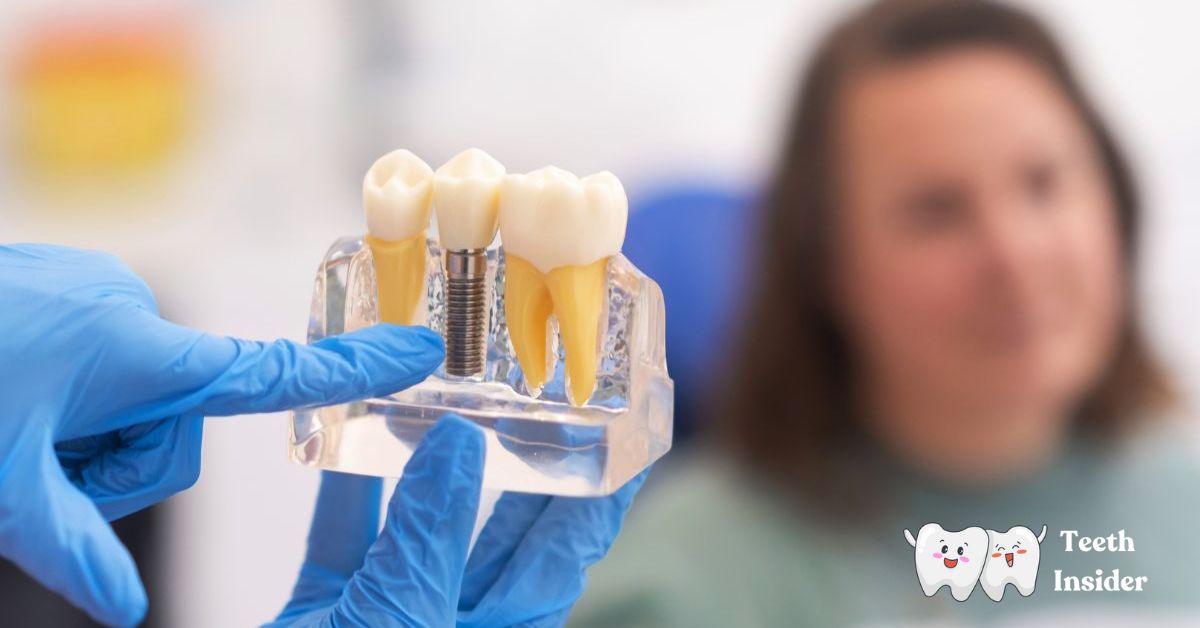
Teeth Insider

Categories
Dental Implants

When to Take a Pregnancy Test After Implant Removal? Complete Guide

Timing is crucial after removing a contraceptive implant if you want to confirm pregnancy. Understanding how implants work, how long their hormones remain in your system, and choosing the right test ensures accurate results. Many people turn to teethinsider for guidance on oral health and dental care, especially when managing recovery or planning procedures. Proper timing helps avoid false positives or unnecessary stress.

How contraceptive implants work

Contraceptive implants are small, flexible rods inserted under the skin of the upper arm. They release a hormone called progestogen, which prevents ovulation and thickens cervical mucus to reduce the chance of conception. For those facing financial barriers to dental care, free dental implants for low income UK residents may provide a pathway to restore oral function. Implants can be effective for up to three years, but once removed, fertility generally returns quickly.

The waiting period after implant removal

Hormones from the implant can linger briefly in your system after removal. Testing too early may result in misleading results.

Key guidelines:

  • Minimum waiting time: Wait at least seven days after removal. This allows most of the implant’s hormones to clear and reduces false positives.
  • Optimal accuracy: Waiting until the first menstrual cycle post-removal, typically 4–6 weeks, ensures your body’s natural hormone levels have returned to normal and provides the most reliable test results.

Choosing the right pregnancy test

Selecting the correct type of test can improve accuracy:

Urine tests

  • Available at most pharmacies.
  • Simple to use at home.
  • Sensitivity varies; opt for tests that detect low levels of hCG for early detection.

Blood tests

  • Conducted in clinics or by healthcare providers.
  • Can detect pregnancy earlier than urine tests.
  • Useful if home test results are unclear or for confirmation.

Tips for accurate testing

  1. Use first-morning urine: Hormone concentrations are highest, improving test reliability.
  2. Follow instructions carefully: Incorrect use can lead to inaccurate results.
  3. Retest if needed: If you test negative but your period hasn’t arrived, repeat testing after a few days. Hormone levels rise over time, clarifying results.

Summary

Accurate pregnancy testing after implant removal depends on timing, test type, and careful adherence to instructions. When recovering from dental surgery, many patients ask why no dairy after dental implant? your guide can clarify the reasons, helping them avoid foods that may interfere with healing. Waiting at least a week—and ideally until your first post-removal cycle—ensures reliable results. Consulting a healthcare professional can provide personalised guidance based on your situation and help you plan your next steps confidently.

Frequently Asked Questions

How soon after implant removal can I test for pregnancy?
Wait at least 7 days, but for most accurate results, consider testing after your first menstrual cycle (4–6 weeks).

Do hormones from the implant affect test results?
Yes, residual hormones can cause misleading results if testing too early.

Which pregnancy tests are most accurate?
Blood tests are the most sensitive, though high-quality urine tests detecting low hCG levels are effective for home use.

Should I use first-morning urine?
Yes, because hormone concentrations are higher, which improves accuracy.

What if I get a negative result but no period?
Retest a few days later; hormone levels may not yet be detectable.

Can fertility return immediately after implant removal?
Yes, ovulation can resume quickly, making timing important for testing.

Is it safe to rely solely on home tests?
Home tests are accurate if used correctly, but a healthcare provider can confirm with a blood test if needed.

When should I consult a healthcare professional?
If your test results are unclear, your period is significantly delayed, or you have concerns about fertility.

Author: teethinsider
Last updated: January 2026

Categories
Dental Implants

Why No Dairy After Dental Implant? Your Guide

Avoiding dairy after dental implant surgery helps reduce infection risk and supports proper healing during the critical early recovery phase. Certain dairy products can interfere with clot formation and the biological process that allows the implant to bond with the jawbone. Temporary dietary adjustments improve the chances of long-term implant success.

Why this topic matters to patients

After dental implant surgery, recovery is just as important as the procedure itself. Many people wonder are dental implants permanent, especially while navigating the healing phase and making decisions about daily habits like eating and drinking. Dietary mistakes during the first days can delay healing or cause complications, so clear guidance helps protect the implant while the body repairs itself.

The role of diet after dental implant surgery

Diet directly affects inflammation, wound healing, and bone integration following implant placement. Soft, low-risk foods reduce pressure on the surgical site and limit exposure to harmful bacteria during the early stages of recovery.

Why dairy is often restricted after dental implants

Infection risk

Some dairy products can carry bacteria that may enter the surgical site. In the first days after surgery, the gums are vulnerable, and even minor bacterial exposure can increase the risk of infection.

Interference with blood clot formation

Proper clot formation is essential for healing. Dairy products can stimulate saliva production and mucus buildup, which may disturb the clot protecting the implant site.

Impact on osseointegration

Osseointegration is the process where the implant fuses with the jawbone. Inflammation or infection during this phase can interfere with bone healing and compromise implant stability.

What to eat during the first 24 hours

During the initial recovery period, foods should be cool, soft, and easy to swallow.

Suitable options

  • Water and clear fluids
  • Cold or lukewarm soups
  • Sugar-free fruit juices
  • Dairy-free protein shakes
  • Smooth vegetable purees
  • Applesauce
  • Bone broth (lukewarm, not hot)
  • Soft cereals soaked in plant-based milk

Avoid hot foods, crunchy textures, and anything that requires chewing near the implant site.

What to eat after the first 24 hours

As discomfort decreases, slightly more substantial foods can be introduced while keeping textures soft.

Recommended foods

  • Smoothies with plant-based milk
  • Scrambled eggs or omelettes
  • Mashed or baked potatoes
  • Soft pasta
  • Oatmeal
  • Ground or minced meat
  • Steamed vegetables

Chew away from the surgical area and stop if discomfort increases.

When dairy can be reintroduced

Dairy is usually safe to reintroduce once the gums have started to heal and the risk of infection has reduced. This timing varies between patients.

General guidance

  • Follow your dentist’s specific instructions
  • Start with small amounts
  • Avoid hard cheeses or sticky dairy products initially
  • Monitor for swelling or discomfort

Dairy can later support recovery by providing calcium and protein once healing is established.

The importance of protein during recovery

Protein is essential for tissue repair, immune function, and maintaining energy levels after surgery.

Dairy-free protein sources

  • Eggs
  • Fish
  • Soft poultry
  • Lentils and legumes (well-cooked)
  • Plant-based protein powders
  • Tofu

Adequate protein intake supports faster healing and reduces complication risks.

Hydration and healing

Staying hydrated supports circulation, nutrient delivery, and tissue repair. Water is the best option during recovery.

Hydration tips

  • Sip water regularly throughout the day
  • Avoid using straws, which can disturb the surgical site
  • Limit sugary or acidic drinks

Common mistakes to avoid

  • Eating hot foods too soon
  • Consuming crunchy or sticky foods
  • Reintroducing dairy without professional advice
  • Poor oral hygiene around the surgical area

Careful dietary choices reduce the risk of implant failure.

Frequently Asked Questions

Why is dairy discouraged after dental implant surgery?
It can increase bacterial exposure, disrupt blood clots, and interfere with early healing.

How long should dairy be avoided after implants?
Typically for the first few days, but the exact timeline depends on individual healing and dental advice.

Are plant-based yoghurts acceptable?
Yes, dairy-free alternatives are generally suitable if they are smooth and low in sugar.

Can dairy cause implant failure?
Dairy alone does not cause failure, but early complications linked to infection can affect outcomes.

What is the safest drink after implant surgery?
Plain water is the safest and most recommended option.

Is calcium deficiency a concern without dairy?
Short-term avoidance is not harmful. Calcium can be obtained from leafy greens and fortified foods.

Can I drink coffee after implant surgery?
Hot beverages should be avoided initially. Lukewarm drinks may be allowed after the first day if approved.

Does diet really affect implant success?
Yes. Proper nutrition supports healing and reduces the risk of complications.

Conclusion

Avoiding dairy after dental implant surgery is a short-term precaution designed to protect healing tissue and support successful bone integration. During recovery, many patients ask are dental implants painful, especially when discomfort is linked to food choices and healing sensitivity. By following dietary guidance, prioritising protein and hydration, and reintroducing foods gradually under professional advice, patients can significantly improve recovery outcomes and long-term implant stability.


Author: Clinical Dental Health Writer
Last updated: January 2026

Categories
Dental Implants NHS Dental

Will dental implants ever be available on NHS? Complete Guidance

Dental implants are not routinely available on the NHS and are currently funded only in limited, medically justified cases.
Their future availability depends on clinical necessity, NHS funding priorities, and whether advances in technology significantly reduce costs without compromising safety.


Introduction

Dental implants are widely regarded as the most stable way to replace missing teeth. As awareness grows, many people ask whether implants could one day become a standard NHS treatment. The answer lies in how the NHS defines medical need, allocates budgets, and balances function against cost.


Dental Implants and the NHS: Current Position

Dental implants replace missing tooth roots using titanium fixtures placed in the jawbone. They provide long-term stability and closely mimic natural teeth.

Under NHS dentistry, implants are not considered routine treatment. They are viewed as complex, high-cost interventions and are funded only where there is a clear medical requirement and no suitable alternative.


Why Dental Implants Are Rarely Funded by the NHS

The NHS prioritises treatments that:

  • Restore basic oral function
  • Prevent pain, infection, or deterioration
  • Deliver the greatest benefit to the largest number of patients

Dental implants are expensive to place, maintain, and review. In most cases, alternatives such as dentures or bridges restore function adequately at a far lower cost.


Also read: What is the NHS Dental 2 Year Rule?

When Dental Implants May Be Approved on the NHS

NHS-funded dental implants are considered only in exceptional clinical circumstances, including:

  • Tooth loss following head and neck cancer treatment
  • Severe facial trauma or congenital conditions
  • Inability to tolerate dentures due to medical or anatomical reasons
  • Extensive bone loss where no other option restores function

Approval usually requires referral to a hospital-based specialist service and assessment under strict criteria.


How NHS Budgets Influence Implant Availability

NHS dentistry operates within fixed budgets set at national and regional levels.

Key factors affecting funding decisions include:

  • Overall dental service demand
  • Cost-effectiveness of treatment options
  • Long-term maintenance requirements

Because implants serve relatively few patients at high cost, they remain outside routine NHS provision.


Private Dental Implants vs NHS Treatment

For most patients, dental implants are accessed privately.

Typical comparison

FactorNHS ImplantsPrivate Implants
AvailabilityRare, medically necessary onlyWidely available
CostFunded if approved£2,000–£3,500 per tooth (typical)
Choice of systemLimitedWide range
Waiting timeOften longShorter

Private treatment offers flexibility but requires significant financial planning.


Alternatives the NHS Commonly Provides

The NHS routinely offers:

  • Partial or full dentures
  • Dental bridges

These options restore appearance and chewing ability and are considered clinically effective for most patients.


Could Dental Implants Become More Available on the NHS?

Future access depends on several developments:

  • Lower-cost implant materials
  • Faster, less complex surgical techniques
  • Strong evidence of improved health outcomes over alternatives

If implants can be delivered safely at a cost comparable to existing treatments, NHS policy may evolve. At present, no confirmed plans indicate a widespread change.


Practical Advice for Patients Considering Implants

  • Discuss suitability and risks with your dentist
  • Ask whether your clinical history may meet NHS criteria
  • Understand private treatment costs and maintenance needs
  • Explore alternative NHS options first

Clear information allows informed decision-making without unrealistic expectations.


The Role of Specialist Referral

Patients who may qualify for NHS-funded implants are usually referred to hospital dental services. Decisions are made by specialist teams, not general dental practices.

The NHS bases approval on documented medical need rather than patient preference.


FAQs

Are dental implants available on the NHS for everyone?
No. They are approved only in exceptional medical cases.

What medical conditions may qualify for NHS implants?
Cancer-related tooth loss, severe trauma, or conditions preventing denture use.

How long is the NHS waiting list for dental implants?
Waiting times vary and can be lengthy due to limited availability.

Can I choose the type of implant on the NHS?
No. The NHS selects systems based on clinical suitability and cost.

Are private dental implants better than NHS implants?
Not necessarily. Both meet clinical standards, but private care offers more choice.

What are the most common NHS alternatives to implants?
Dentures and bridges are the most widely provided options.

Can my regular NHS dentist approve implants directly?
No. Approval requires specialist assessment and funding authorisation.

Will dental implants ever become routine NHS treatment?
It is possible if costs fall significantly, but there is no confirmed timeline.


Author: Dental Health Editorial Team Teeth Insider
Last updated: January 2026

Categories
NHS Dental

What is the NHS Dental 2 Year Rule? Complete Guide

The NHS dental 2-year rule allows dentists to recall patients for routine check-ups at intervals of up to 24 months, rather than the traditional six months, when a patient has good oral health and low risk of disease.
The recall period is decided clinically, based on individual risk, not as a fixed entitlement.

Introduction

Many people still assume dental check-ups must happen every six months. In reality, NHS dentistry moved away from fixed schedules years ago. The two-year rule reflects a risk-based approach that focuses appointments where they are most needed, while allowing healthy patients longer gaps between routine examinations.

Understanding the NHS Dental 2-Year Rule

The NHS dental 2-year rule refers to the maximum recall interval for routine dental examinations under NHS care.

For patients with:

  • Healthy teeth and gums
  • No active decay or gum disease
  • Good oral hygiene habits

Dentists may set a recall interval of up to 24 months.

This is a clinical decision made by the dentist, not a policy patients can choose independently.

Why the NHS Changed Dental Recall Intervals

The change was introduced to improve fairness and access across NHS dentistry.

Key reasons include:

  • Evidence showed six-monthly check-ups were unnecessary for low-risk patients
  • NHS appointment capacity is limited
  • Higher-risk patients needed more frequent access

By extending recall intervals for healthy patients, dentists can focus time and resources on people with active or complex dental needs.

Who the 2-Year Rule Applies To

The two-year recall period may apply to adults who:

  • Have stable oral health
  • Do not smoke
  • Have low sugar intake
  • Have no history of recurring dental disease

Even within this group, recall intervals can vary. Some patients may be recalled at 12–18 months rather than the full two years.

Who Is Not Covered by the 2-Year Rule

Shorter recall intervals are recommended for patients with higher risk factors, including:

  • Gum disease or repeated decay
  • Smokers or heavy alcohol users
  • Medical conditions affecting oral health
  • Pregnant patients
  • Children and adolescents
  • Elderly patients with complex needs

In these cases, recall periods may be as short as three to six months.

How Dentists Decide Recall Intervals

Dentists assess risk using clinical criteria such as:

  • Past dental history
  • Gum health measurements
  • X-ray findings
  • Diet and oral hygiene habits
  • Medical history and medications

The recall decision is reviewed at each examination and can change over time.

Maintaining Oral Health Between NHS Check-Ups

Longer recall intervals place more responsibility on daily care.

Good practice includes:

  • Brushing twice daily with fluoride toothpaste
  • Cleaning between teeth daily
  • Limiting sugary foods and drinks
  • Avoiding tobacco
  • Attending promptly if symptoms develop

Routine recall spacing does not limit access to urgent or problem-based care.

Benefits of the NHS 2-Year Dental Rule

The rule offers several system-wide advantages:

  • Improved access: More appointments for patients with urgent needs
  • Clinical focus: Care prioritised by risk rather than routine habit
  • Cost efficiency: Fewer unnecessary examinations
  • Patient-centred care: Recall based on individual health, not a fixed rule

Impact on NHS Dental Practices

Dental practices now manage recall systems dynamically rather than on fixed schedules.

Practices are also required to:

  • Keep NHS availability information up to date
  • Clearly communicate recall decisions to patients

This improves transparency and reduces uncertainty for people trying to access NHS dental care.

The Role of Dental Therapists

Dental therapists play an expanding role in NHS dentistry.

They may:

  • Carry out routine examinations
  • Provide preventive treatments
  • Support ongoing patient monitoring

This helps reduce pressure on dentists while maintaining safe standards of care.

Addressing Common Concerns

Some patients worry that less frequent check-ups may allow problems to go unnoticed.

Clinical evidence shows that:

  • Low-risk patients do not experience higher disease rates with longer recall
  • Problems usually present with symptoms before serious damage occurs

Prompt attention to pain, swelling, bleeding, or visible changes remains essential.

Practical Advice for NHS Patients

  • Follow your dentist’s recall recommendation
  • Contact your practice immediately if symptoms develop
  • Do not wait for a scheduled recall if something feels wrong
  • Maintain consistent home care habits

Routine recall intervals never restrict emergency or urgent appointments.

Finding an NHS Dentist

Access remains challenging in some areas.

Patients can:

  • Check availability through the NHS website
  • Contact local health boards
  • Ask practices directly about NHS waiting lists

Being registered improves access when care is needed.

FAQs

Does the NHS require a dental check-up every two years?
No. Two years is the maximum recall interval. Your dentist may recommend a shorter period.

Can I request six-monthly NHS check-ups?
Recall intervals are set clinically. Requests alone do not override risk assessment.

Does the two-year rule apply to emergencies?
No. Urgent dental care is always available when clinically required.

Can my recall interval change over time?
Yes. If your risk increases or improves, your dentist may adjust it.

Does this rule apply to private dental patients?
No. Private recall schedules are determined by private dental providers.

Are children included in the two-year rule?
No. Children usually require more frequent monitoring.

What if I miss my recall appointment?
Contact your practice promptly to reschedule. Long gaps without review can affect access.

Will I still need X-rays during longer recall periods?
X-rays are taken based on clinical need, not recall timing.


Author: Editorial Dental Health Team at Teeth Insiders
Last updated: January 2026

Categories
Dentist

Find Trusted Private & NHS Dentist in Aberdeen- Cove Dental & Implant Centre 

If you are looking for a trusted local dentist in Aberdeen, Cove Dental & Implant Centre provides both Private and NHS dental care in a friendly, professional setting. Located in Cove Bay, the clinic offers modern dentistry with a strong focus on patient comfort, safety, and long-term oral health.

Whether you need routine dental care, urgent treatment, or advanced implant solutions, the team is committed to delivering high-quality dentistry for individuals and families across Aberdeen.

A Local Dental Practice You Can Rely On

Cove Dental & Implant Centre is based at:

Address:
4 Catto Walk, Cove Bay, Aberdeen AB12 3PT, United Kingdom

Phone:
+44 1224 872675

As an Emergency dentist in Aberdeen, the clinic is easy to reach for patients living in Cove Bay and surrounding areas. As a local practice, the team understands the needs of the community and aims to provide accessible, honest, and patient-focused care.

Private and NHS Dental Services

The practice welcomes both NHS and private patients, offering flexibility depending on your dental needs and preferences.

NHS dentistry focuses on keeping your mouth healthy and pain-free, while private dentistry allows access to a wider range of cosmetic and restorative options. The team will clearly explain your choices, costs, and treatment plans so you can make an informed decision.

Dental Treatments We Offer

Cove Dental & Implant Centre offers a wide range of NHS and private dental treatments. Each treatment is planned carefully and explained clearly, so you can make informed decisions about your care.

  • Oral Hygiene – Professional cleaning and gum care to remove plaque and tartar, reduce gum disease, and support long-term oral health.
  • NHS Emergency Dentist – Prompt treatment for dental emergencies such as toothache, swelling, infections, broken teeth, and dental trauma.
  • Root Canal Treatment – A procedure to remove infection from inside the tooth, relieve pain, and help save the natural tooth.
  • Tooth Extraction – Safe and gentle removal of teeth that cannot be repaired, with clear aftercare advice for proper healing.
  • Composite Bonding – A minimally invasive cosmetic treatment to repair chipped teeth, close small gaps, and improve tooth shape and colour.
  • Veneers – Thin, custom-made shells placed on the front of teeth to enhance appearance and create a more even, natural-looking smile.
  • Teeth Whitening – Professional whitening treatments designed to safely brighten your smile and reduce staining.
  • Invisalign – Clear, removable aligners that straighten teeth discreetly and comfortably, without metal braces.
  • Dental Implants – A long-term solution for missing teeth, replacing the tooth root and supporting a natural-looking crown.
  • Dental Crowns & Bridges – Restorative treatments used to strengthen damaged teeth or replace one or more missing teeth.
  • Dentures – Removable tooth replacement options that restore chewing ability, speech, and facial support.

Patient-Focused Approach

The team at Cove Dental & Implant Centre believes that good dentistry starts with listening. Appointments are unrushed, and treatment options are explained clearly in simple terms. This approach helps patients feel relaxed and confident about their care.

Anxiety-free dentistry is a priority, especially for patients who feel nervous about visiting the dentist. The calm environment and supportive team help make every visit more comfortable.

Opening Hours

The practice operates during convenient weekday hours:

  • Monday: 08:30 am – 5:30 pm
  • Tuesday: 08:30 am – 5:30 pm
  • Wednesday: 08:30 am – 5:30 pm
  • Thursday: 08:30 am – 5:30 pm
  • Friday: 08:30 am – 5:30 pm
  • Saturday: Closed
  • Sunday: Closed

These hours make it easier for patients to book appointments around work and family commitments.

Book an Appointment Today

If you are searching for a Private or NHS dentist in Aberdeen, Cove Dental & Implant Centre offers professional care in a welcoming local practice. From routine check-ups to advanced implant treatments, your oral health is in safe hands.

To book an appointment or speak to the team, call +44 1224 872675 or visit the practice at 4 Catto Walk, Cove Bay, Aberdeen AB12 3PT.

Frequently Asked Questions

Can I register as an NHS patient at Cove Dental & Implant Centre?

Yes, Cove Dental & Implant Centre accepts NHS patients, subject to availability. NHS care focuses on keeping your teeth and gums healthy and managing pain or infection. The team will explain NHS options clearly and let you know if private treatment may be suitable for your needs.

What should I do if I have a dental emergency?

If you experience severe toothache, swelling, bleeding, or a broken tooth, contact the practice as soon as possible. The NHS emergency dentist service aims to relieve pain quickly and prevent further problems. Early treatment often reduces the need for more complex procedures later.

 Is Invisalign suitable for adults as well as teenagers?

Yes, Invisalign is suitable for both adults and teenagers. It uses clear, removable aligners to gently move teeth into position. Many patients prefer Invisalign because it is discreet, comfortable, and easy to remove for eating, brushing, and special occasions.

How long do dental implants usually last?

Dental implants are designed to be a long-term solution for missing teeth. With good oral hygiene and regular dental check-ups, implants can last many years. They help maintain jawbone health and provide a stable, natural-looking replacement for missing teeth.

Are cosmetic treatments like whitening and bonding safe?

Yes, when carried out by dental professionals, treatments such as teeth whitening and composite bonding are safe and effective. The dentist will assess your teeth and gums first to ensure the treatment is suitable and explain how to maintain results safely at home.

Categories
Others

Top Countries to Study Dentistry in Europe: Costs, Programs, and Admission Requirements

Many international students dream of becoming dentists, but tuition fees in countries like the United States, the United Kingdom, or Canada can be extremely high. This is why thousands of students every year look to Europe for affordable, high-quality education. Choosing to study dentistry in Europe not only reduces costs but also provides globally recognized degrees and opportunities to work in different parts of the world.

Below is a detailed guide to the top countries where international students can pursue dentistry in Europe, with insights into programs, costs, and requirements.

Germany: High-Quality Education at Minimal Costs

Germany has one of the most attractive education systems for international students. Public universities in Germany often charge very low tuition fees or none at all, making it one of the most cost-effective options for studying dentistry.

Why Germany Stands Out:

  • Tuition fees are either free or under €1,500 per year in many states.
  • Strong focus on practical and research-based education.
  • Degrees are globally respected, making it easier for graduates to practice internationally.

Requirements:

  • High school completion (A-levels, IB, or equivalent).
  • Proof of German language proficiency (most programs are in German).
  • Some universities may require an entrance exam.

 Students willing to learn German can save a significant amount of money while still receiving excellent education.

Hungary: A Popular Choice for International Dentistry Students

Hungary has become one of the most popular destinations for students who want to study dentistry in Europe in English. Universities in cities like Budapest, Szeged, and Pécs are well known for offering English-taught programs.

Why Hungary is Popular:

  • Programs are taught fully in English.
  • Tuition fees are more affordable compared to Western Europe (approx. €12,000–€16,000 per year).
  • Multicultural environment with thousands of international students.

Requirements:

  • High school diploma with strong grades in biology and chemistry.
  • Entrance exams testing scientific knowledge and English skills.
  • No need to learn Hungarian for academic purposes, but knowing basics helps in clinical practice.

 Hungary is a great choice for students from the Middle East, Asia, and Africa who want English programs without extremely high fees.

Poland: English-Taught Dental Programs with Affordable Living

Poland has seen a rapid increase in international students due to its affordable education system and growing reputation. Several Polish universities now offer dentistry programs fully in English.

Why Poland Appeals to Students:

  • Tuition fees range between €10,000–€15,000 per year.
  • Living expenses are relatively low compared to Western Europe.
  • Modern facilities and well-structured curricula.
  • Easy travel across the Schengen Area for students.

Requirements:

  • Secondary school completion with science subjects.
  • Some universities may require entrance exams or interviews.
  • English proficiency (IELTS/TOEFL may be required).

 Poland offers a balance of affordability and quality, making it a strong competitor to Hungary.

Spain and Italy: Lifestyle Meets High-Quality Education

Southern European countries like Spain and Italy attract students not only for education but also for lifestyle and culture. Both countries offer dentistry programs in public and private universities.

Why Spain is Attractive:

  • Degrees recognized across Europe and internationally.
  • Tuition fees: €3,000–€20,000 per year, depending on public vs. private university.
  • Warm climate and multicultural cities.

Why Italy is a Good Option:

  • Public universities charge lower tuition (around €1,000–€4,000 annually).
  • Programs taught in Italian, but some universities now offer English tracks.
  • Rich history in medical education.

👉 Spain and Italy are great choices if students value both education and cultural experience. However, language learning may be required for clinical practice.

Romania and Bulgaria: Affordable and Accessible Options

Eastern European countries like Romania and Bulgaria have become popular for international students due to affordability and fewer entry barriers.

Why They Are Attractive:

  • Tuition fees: €5,000–€9,000 per year.
  • Programs often taught in English or French.
  • Lower living costs compared to Western Europe.
  • No strict entrance exams at many universities.

Requirements:

  • Secondary school diploma with science subjects.
  • Proof of English proficiency.

These countries are excellent for students on a budget, offering a direct path into dentistry without overly complicated admission processes.

Comparing Costs and Programs Across Europe

To better understand the differences, here’s a quick comparison:

Tuition Fee Ranges:

  • Germany: Free – €1,500/year
  • Hungary: €12,000–€16,000/year
  • Poland: €10,000–€15,000/year
  • Spain & Italy: €1,000–€20,000/year
  • Romania & Bulgaria: €5,000–€9,000/year

Living Costs (Monthly Averages):

  • Germany: €900–€1,200
  • Hungary: €600–€900
  • Poland: €500–€800
  • Spain & Italy: €800–€1,200
  • Romania & Bulgaria: €400–€700

Admission Requirements Across Countries

While requirements vary, most European dental schools require:

  • A high school diploma with good grades in biology and chemistry.
  • Proof of English (IELTS/TOEFL) if studying in English.
  • Entrance exams in sciences for countries like Hungary and Poland.
  • For Germany, fluency in German is mandatory for most programs.

Career Opportunities After Studying Dentistry in Europe

Graduates of European dental schools enjoy wide opportunities:

  • Practicing within the European Union (depending on licensing rules).
  • Returning home with a globally recognized degree.
  • Pursuing postgraduate studies in orthodontics, oral surgery, or prosthodontics.

The EU’s strong recognition of degrees ensures that a student who decides to study dentistry in Europe can later pursue work in different countries.

FAQs About Studying Dentistry in Europe

Q1: How long does it take to complete dentistry in Europe?
Usually 5–6 years, depending on the country and program structure.

Q2: Are dentistry degrees from Europe recognized worldwide?
Yes, most European degrees are internationally recognized, but licensing requirements may vary by country.

Q3: Can I work while studying dentistry in Europe?
Yes, but restrictions depend on student visa rules. Some countries allow part-time work.

Q4: Do I need to learn the local language?
For English programs, you can study without learning the local language. However, clinical practice often requires basic local language skills to communicate with patients.

Q5: Which country is the cheapest to study dentistry in Europe?
Romania, Bulgaria, and Germany (if studying in German) are usually the most affordable.

Conclusion

Choosing to study dentistry in Europe is one of the most practical ways for international students to receive quality education at reasonable costs. With options ranging from tuition-free programs in Germany to English-taught degrees in Hungary and Poland, students have flexibility based on their budget, language skills, and career goals.

Europe offers not just academic excellence but also cultural diversity, affordable living, and globally recognized qualifications. Whether you’re aiming for affordability in Eastern Europe, lifestyle in Southern Europe, or top-tier research in Western Europe, there is a program that fits your needs.

For students planning their future careers in dentistry, Europe remains one of the best destinations worldwide.

Categories
Dental Implants

Free Dental Implants For Low Income UK Residents

Free or low-cost dental implants in the UK are available in limited situations for people on low incomes, mainly through the NHS, charitable programmes, and dental teaching institutions. Access depends on strict clinical need, financial eligibility, and availability rather than personal preference. Understanding how these routes work helps set realistic expectations and improves the chances of getting support.

Why people search for free dental implants

Dental implants restore function, comfort, and confidence, but their high private cost places them out of reach for many households. Understanding what are dental implants is especially important for people on low incomes, who often look for publicly funded or supported options to address tooth loss. Missing teeth can affect eating, speech, and overall health, making access to suitable dental solutions essential.

What dental implants are

Dental implants are artificial tooth roots, usually made from titanium, that are placed into the jawbone to support crowns, bridges, or dentures. They are designed to replace missing teeth in a stable, long-term way.

Why dental implants matter for oral health

Implants help maintain jawbone structure, improve chewing efficiency, and provide better stability than removable dentures. They can also reduce discomfort, improve speech clarity, and support long-term oral health when properly maintained.

Are free dental implants available in the UK?

Completely free dental implants are rare in the UK. However, reduced-cost or fully funded treatment may be available when implants are considered medically necessary rather than cosmetic.

Key points to understand

  • Most implants are privately funded.
  • Public or charitable support is based on clinical need.
  • Long waiting times and strict criteria are common.

NHS dental implants for low-income patients

The NHS may fund dental implants in exceptional cases. This usually applies when tooth loss results from trauma, cancer treatment, congenital conditions, or severe functional problems.

NHS eligibility considerations

  • Medical necessity, not appearance
  • Impact on eating, speech, or quality of life
  • Overall oral health and bone condition
  • Income-based exemptions from NHS charges

An NHS dentist or hospital consultant must assess and refer eligible patients. Routine tooth loss due to decay or gum disease is not usually covered.

Charities that help with dental care

Several UK charities aim to improve access to dental treatment for vulnerable or low-income groups. While implants are not always guaranteed, some organisations may support complex restorative care or referrals.

Examples of dental charities

  • Dentaid – supports people facing barriers to dental care
  • Bridge2Aid – focuses on improving access to essential dentistry
  • Local community dental services and outreach clinics

Availability varies by region, and waiting lists are common.

Dental schools and teaching hospitals

Dental schools sometimes provide implants at a reduced cost or, in limited cases, free of charge as part of supervised training programmes.

What to expect from dental school treatment

  • Strict assessment and case selection
  • Treatment carried out by students under specialist supervision
  • Longer treatment timelines
  • Lower or no treatment fees

This option suits patients who are flexible with time and meet clinical teaching criteria.

How to apply for free or low-cost dental implants

Step-by-step process

  1. Register with an NHS dentist
    Ask for a full oral health assessment and discuss functional problems.
  2. Request a referral if appropriate
    For complex cases, an NHS referral to a hospital dental department may be required.
  3. Check benefit eligibility
    Confirm whether you qualify for NHS charge exemptions or reductions.
  4. Contact dental schools
    Enquire about implant training programmes and patient intake.
  5. Reach out to charities
    Ask local organisations about current support options.
  6. Maintain oral health
    Good oral hygiene improves eligibility and treatment success.

Costs when implants are not free

Even when implants are not fully funded, reduced costs may apply.

Treatment routeTypical cost range
NHS-funded (exceptional cases)£0–£300
Dental school programmes£300–£1,000
Private clinics£2,000–£3,000+ per implant

Prices vary depending on complexity, materials, and location.

Limitations and realistic expectations

  • Free implants are not widely available
  • Approval is based on clinical necessity
  • Waiting times can be long
  • Some patients may be offered alternative treatments such as dentures

Understanding these limits helps avoid disappointment and supports informed decision-making.

Frequently Asked Questions

Can low-income UK residents get free dental implants?
In rare cases, yes. Funding is usually limited to medical necessity through the NHS or specific charitable programmes.

Are dental implants covered by the NHS?
Only in exceptional clinical situations, such as trauma or cancer-related tooth loss.

Do benefits like Universal Credit help with implant costs?
Benefits may reduce NHS charges but do not automatically qualify someone for implants.

Are dental school implants safe?
Yes. Treatments are supervised by experienced dentists and specialists.

How long does the implant process take?
It can take several months, especially through NHS or teaching routes.

What alternatives exist if implants are not approved?
Bridges or dentures are commonly offered as functional alternatives.

Does poor oral health affect eligibility?
Yes. Gum disease or poor hygiene may delay or prevent implant treatment.

Can implants fail?
Like all medical procedures, implants carry risks, but success rates are high when patients are suitable candidates.

Conclusion

Free dental implants for low-income UK residents are possible but limited to specific circumstances. NHS assessments, charitable support, and dental school programmes offer potential pathways for those with genuine clinical need. Understanding how much are dental implants in the UK is essential for people exploring these options, as costs can vary significantly depending on treatment type and provider. Exploring these options with realistic expectations can help individuals make informed decisions about restoring oral function and long-term dental health.


Author: Editorial Health Writer, UK Dental Care
Last updated: January 2026

Categories
Dental Implants

What Are Dental Implants? Types, procedures, and more

Today, in dentistry, dental implants help those with missing teeth. Surgeons place these tiny implants in the jawbone for a natural look and feel. They are a long-term solution that functions like real teeth. This guide explains dental implants. It covers different types, safety measures, risks, surgery, care, and Dental implants cost. Together, let’s set out to explore the realm of dental implants.

Also Read: How Much are Dental Implants?

Comprehending Dental Implants

Fundamentally, a dental implant is a strong substitute for a missing tooth. Skilled surgeons insert implants into the jawbone. They use tools similar to screws. These implants act as strong anchors for crowns, which are replacement teeth. The dental implant and crown are joined by an abutment. The crown is carefully made to match your teeth and look and work like them.

There are several benefits that dental implants have over conventional dentures.

Natural and Comfortable: Implants are designed to fit naturally into your smile, ensuring a comfortable integration.

High Success Rate: Dental implants have a solid track record as a long-term fix.

Enhanced Chewing Function: Enhanced chewing helps you enjoy your favorite foods by making it easier to eat them.

Cavity Protection: Dental implants help prevent cavities in nearby teeth.

Bone Preservation: By keeping the jawbone intact, these implants help stop bone loss.

Reduced Sensitivity: You’ll feel less sensitive to nearby teeth, making your mouth more comfortable.

Convenience: Dental implants are easy to care for. Unlike dentures, they don’t need nightly cleaning or removal.

Also Read: What Are Dental Implants

Types of Dental Implants

There are two main classifications for dental implants:

Endosteal Implants: Doctors commonly use endosteal implants to anchor fake teeth securely in the jawbone.

Subperiosteal Implants: If your surgeon finds your jawbone to be low, they may suggest subperiosteal implants. These implants are put on top of the jawbone.

Security and Qualifications

Dental implant surgery is safe with a skilled and experienced dentist. Dental implants are the only option for helping your jawbone grow and stay healthy. But not everyone might be a good fit for this treatment.

Factors that may hinder eligibility encompass:

It is not recommended to undergo dental implant surgery when you are acutely ill.

Acute Illness:  Before getting implant surgery, prioritize your health if you have uncontrolled metabolic diseases.

Bone or Soft Tissue Issues:  If you have an infection or disease in your bones or soft tissue, it needs to be treated before you can have surgery.

Habits and Disorders: Some medical conditions like HIV, diabetes, and osteoporosis can affect eligibility. Heavy smoking and teeth-grinding can also have an impact. Behavioral and psychiatric disorders, as well as other habits, may play a role too.

Also Read: When to Take a Pregnancy Test After Implant Removal?

Possible Difficulties

Although generally safe, dental implant surgery has a small risk of complications. These could consist of:

Nerve Damage: In rare cases, changes in sensation in the surgical site may arise from nerve damage.

Incision Reopening: The incision might reopen after surgery.

Movement or Exposure of Implants: Implants may move or show above the gum line.

Infection: An infection may develop around the implant location.

Detecting these symptoms early is important. It can prevent further issues from occurring. If the implant moves or becomes exposed, more treatments may be needed to fix the gums and bone.

Procedures and Additional Considerations

 Each person’s dental implant experience is unique and influenced by various factors.

Number of Teeth: An important factor is the quantity of teeth that need to be replaced.

Implant Location: The process is affected by the location of the implant within the jaw.

Bone Quantity and Quality: Both the quantity and quality of bone are crucial at the implant site.

Oral and Systemic Health:  Oral and systemic health are connected and affect each other.

For dental implant surgery to be successful, other procedures like ridge modification or sinus augmentation may be necessary.

Also Read: Free Dental Implants For Low Income UK Residents

Upkeep and Extended Medical Attention

Maintaining good dental hygiene is crucial following dental implant surgery. Artificial teeth require routine brushing and flossing, just like natural teeth. Regular check-ups help keep your mouth and dental implants healthy. It is advised to get professional cleanings at the dentist every six months.

The cost of dental implant surgery is subject to several variables:

  • Number and Type of Implants: The number and type of implants required impact costs.
  • Implant Location: The location of implants within the jaw affects the overall expense.
  • Additional Procedures: Any supplementary procedures needed to prepare the mouth for surgery can add to the cost.

Conclusion

Dental implants are a great improvement in dentistry. They offer a strong and lifelike solution for Replacing missing teeth. Not everyone can benefit, but experts can improve your oral health and quality of life. If you’re considering Teeth implants, it’s a good idea to talk to your dentist. They can tell you if you’re eligible and if there are any risks. With proper care, dental implants can restore your teeth. They also boost your confidence, providing long-term benefits and a beautiful smile.

Frequently Asked Questions (FAQs) 

What is the lifespan of dental implants?

Dental implants can replace missing teeth. They can last a lifetime with proper care and maintenance.

Is getting implants painful?

To minimize discomfort, dental implant surgery is usually done under local anesthesia. After that, painkillers can be used to treat any discomfort.

Is it possible for anyone to receive dental implants?

We consider factors like health, bone strength, and lifestyle to determine eligibility. See a dentist to find out if you’re a good fit.

Do dental implants need to be maintained differently?

Like natural teeth, implants require routine brushing, flossing, and dental examinations. Six-monthly professional cleanings contribute to their longevity.

What is the price of dental implants?

The quantity of implants and other procedures have an impact on the final cost. A customized estimate can be obtained during a dentist’s initial consultation.

Categories
Dental Implants

How Much are Dental Implants? Complete Guide

Dental implants can replace lost or broken teeth, boosting your smile and oral health. When people think about dental implants, they often wonder about the cost. In this article, we will provide you with a detailed breakdown of dental implant costs.

It’s crucial to know that every dental implant procedure is unique, and costs can vary greatly. The entire cost of receiving a dental implant is made up of various components, such as:

Also Read: Free Dental Implants For Low Income UK Residents

Understanding Dental Implant Costs

Comprehensive Dental Exam and 3D Imaging: We perform a thorough dental exam, including 3D imaging, to assess if you can get dental implants. A CT scan may cost anywhere from £350 to £515, even though some practices provide them for free.

Tooth Extraction: Before getting dental implants, problematic teeth might need to be removed.

Implant Installation: The dental implant is put in your jawbone during surgery.

Abutment Hardware Placement: After the gums heal, a small piece called an abutment is attached to the implant. The abutment connects the crown to the implant.

Dental Crown Fabrication and Placement:The dental crown, which is the part you can see, is custom-made and placed on top of the abutment.

The costs of these parts may vary depending on the dentist office you choose. To understand how much you should pay, ask for a breakdown of costs that apply to you.

Also Read: Why No Dairy After Dental Implant? Your Guide

Factors Affecting Price

The following variables affect dental implant costs:

Type and Complexity of Work: The Cost of dental implants depends on the type and extent of work needed. The total cost depends on factors like the bone graft used, if a sinus lift is necessary, and if a CT scan is necessary.

Practitioner’s Location: Dentists in big cities charge more than dentists in small towns or rural areas.

Also Read:When to Take a Pregnancy Test After Implant Removal? Complete Guide

Cost Breakdown for Different Types of Dental Implants

The cost of dental implants differs based on the type and complexity of the procedure. This is an explanation:

Single-Tooth Implant: According to the American Dental Association, one tooth implant can cost from £3,100 to £5,800.

Multiple-Tooth Implant: If you need to replace multiple teeth next to each other, there are cheaper options. One option is a bridge with two implants. You should budget between £6,000 and £10,000.

Full Mouth Implant: The most expensive option is to Replace every tooth one at a time, costing £60,000 to £90,000. An alternative called the All-on-4 implant usually costs between £24,000 and £50,000. It uses four to six implants in each jaw to support complete arches of prosthetic teeth.

Extra Expenses to Take Into Account

Some dentists require upfront payment, and there may be extra charges to think about. The dentist may suggest over-the-counter or prescription drugs, such as antibiotics or painkillers.

Insurance Coverage for Dental Implants

Implant-related dental insurance coverage has been changing. Insurance plans now cover part of dental implant costs, even though they used to be optional. Reimbursement amounts could be limited each year or for life, and might vary by procedure.

Dental insurance plans usually pay out approximately £1,500 annually for each implant. You might be able to file a claim for both years if your implant procedure takes place over two calendar years. Dental implants can be paid for with HSAs, FSAs, and HRAs, reducing the financial burden.

Also Read: What Are Dental Implants? Types, procedures, and more

Conclusion

To determine the cost of dental implants, think about where you are, your insurance, and your situation. Dental implants provide long-term advantages and are a lifetime investment in your oral health and self-esteem. Pricing should always be discussed with the dentist of your choice to guarantee openness and complete understanding of the associated costs.

Dental implants may seem pricey at first, but they improve your life and last a long time. Talk to your insurance administrator or provider. They can help you understand your coverage choices and assist you in making oral health decisions.

Frequently Asked Questions (FAQs) 

How much do dental implants cost?

Dental implant costs vary, but for a single tooth, expect to pay between £3,100 to £5,800, according to the ADA.

Does insurance cover dental implants?

Dental insurance typically covers around £1,500 per implant per year, with variations among plans.

Are there hidden costs with dental implants?

Most dentists present the entire cost upfront, with minimal additional expenses for medications.

What factors influence dental implant prices?

Prices depend on factors like the type and complexity of work required and your location.

How long does a dental implant procedure take?

The entire process may span several months, with surgeries and healing periods between stages.

Categories
Dental Implants

Are Dental Implants Permanent? All You Need to Know

Many people now choose dental implants to replace lost or broken teeth. Dentists recommend them. They say you’ll feel more comfortable, your smile will look natural, and you’ll feel confident again. However, a common query is whether Dental implants are actually permanent. In this article, we will talk about how long dental implants last. We will also look at the factors that affect their longevity. Lastly, we will explore ways to prevent them from fading over time.

Also Read: What Are Dental Implants? Types, procedures, and more

How Long Do Dental Implants Last?

The goal of dental implants is to offer a durable remedy for tooth loss. They can live for an astounding 20 to 30 years on average. It’s important to take care of your teeth for them to last a long time. This doesn’t only depend on the materials used.

The titanium ‘root’ of a dental implant blends in with your jawbone to resemble the root of a real tooth. A ceramic dental crown, which replaces the visible portion of the tooth, is perched atop this root. To make your dental implants last longer, take care of them just like your natural teeth. This entails routine dental checkups, daily cleanings, and frequent flossing.

Also Read: How Much are Dental Implants?

Elements Affecting the Lifespan of Dental Implants

The lifespan of dental implants can be affected by a number of factors. Understanding these factors is crucial for making good decisions about your oral health.

Oral Health: A good jawbone and healthy gums are needed for an easy implant process. It is imperative to treat any pre-existing gum disease prior to implant placement. It is still very important to take good care of your mouth. Plaque can harm your gums and other nearby tissues.

Lifestyle Choices: Smoking and drinking a lot can harm dental implants and make them last a shorter time. Nicotine slows down the healing process by limiting oxygen and blood flow. If you drink alcohol right after getting an implant, it can affect how your tissues heal and form clots.

Injury or Damage: Dental implants are durable, but eating hard or sticky food can still damage crowns. To protect dental implants, be gentle and avoid using them to open bottles or packages.

Medical Conditions: People who have weak immune systems or diabetes are more prone to getting infections. Additionally, their healing process may be slower. Effectively managing these conditions is essential to guaranteeing the success of dental implants.

Teeth Location: The kind and position of the missing tooth can also affect how long an implant lasts. The back teeth may decay faster since they are chewed on and compressed frequently.

Teeth Grinding (Bruxism): Bruxism is when you clench or grind your teeth. It can stress implants and natural teeth. In order to protect the implants, it is imperative that this condition be treated.

Also Read: Why No Dairy After Dental Implant? Your Guide

How to Take Care of Your Dental Implants

To make your dental implants last longer, follow these important maintenance guidelines.

Oral Hygiene: To keep your gums healthy and prevent plaque, brush your teeth twice a day and floss regularly.

Regular Check-ups: Don’t forget to schedule regular check-ups with your dentist for your implants. This helps address any problems quickly.

Healthy Lifestyle: To help your implants heal, quit smoking and drink less alcohol for a healthier lifestyle. And do Not used dairy products After Dental Implant.

Protect Your Teeth: Take care of your teeth by avoiding biting hard things or using your dental implants as tools.

Address Bruxism: If you grind your teeth, ask your dentist about using a mouthguard to protect your teeth and implants.

Also Read: What Are Dental Implants?

Conclusion

Regarding the inquiry, “Are dental implants permanent?” In short, they can replace lost or broken teeth if cared for properly. The effects may vary depending on your oral health, lifestyle, and medical conditions. To maintain a beautiful smile with dental implants, take good care of them and make wise choices.

Frequently Asked Questions (FAQs) 

1. How can I make sure my dental implants last a long time?

Learn how to properly care for your dental implants and increase their lifespan.

2. Can I drink alcohol following dental implant placement?

Find out how long after implant surgery is the best time to drink alcohol to promote healing.

3. Are there any tooth replacement options besides dental implants?

Take a look at different Tooth replacement options and see which one suits your dental needs.

4. What possible side effects are connected to dental implant surgery?

Learn about issues that can happen in dental implant surgery and how to fix them.

5. If I have dental implants, how can I treat bruxism, or grinding of the teeth?

Discover effective techniques to protect dental implants and natural teeth from bruxism.