Teeth Insider

Categories
Dental Implants

Are Composite Fillings Strong? Complete Guide

Composite fillings are a well-liked option when it comes to dental care for tooth repair. Are they, however, robust enough to endure the rigours of regular use? To better grasp the strength of composite fillings, Are Composite Fillings Strong let’s examine this question.

Understanding Composite Fillings

Composite fillings, sometimes referred to as tooth-coloured fillings, are made of a small amount of glass particles mixed with plastic resin. These materials mix in perfectly with teeth’s natural colour, providing strength and longevity. Since composites bind directly to the tooth, unlike traditional amalgam fillings, they are a popular choice among patients.

Factors Contributing to Strength

Composite fillings are strong because of a number of characteristics. First of all, their capacity to form a strong link with the tooth’s structure improves stability and offers dependable support for routine biting and chewing tasks. Furthermore, they preserve the tooth’s overall strength by requiring less healthy tooth material to be removed during the filling procedure. Compared to amalgam fillings, which frequently require more extensive tooth removal, they are less intrusive.
Also Read: Free Dental Implants For Low Income UK Residents

Adaptability and Versatility

The adaptability of composite fillings is one of their main advantages. Because they can be used on both front and back teeth, they can resist the forces of biting and chewing regardless of where in the mouth they are positioned. They are a great option for treating a range of dental problems, from minor cavities to more extensive areas of decay, because of their versatility.

Aesthetic Appeal

Composite fillings are strong and have aesthetic benefits as well. They practically blend in with the surrounding enamel because of their capacity to imitate the natural colour of teeth. This aesthetic benefit is especially important for people who value keeping their smiles appealing and natural.

Also Read:Why No Dairy After Dental Implant? Your Guide

Longevity and Durability

Although composite fillings are typically robust, a number of factors can affect how long they last. The longevity of a composite filling depends on a number of variables, including the patient’s oral hygiene habits, the size of the filling, and the dentist’s expertise. Composite fillings can give dependable support for the treated tooth for many years if they are properly maintained and cared for.

Easy Reparability

The simplicity of restoration offered by composite fillings is another benefit. In the unlikely occasion that a filling is broken or falls loose, a dentist can quickly replace it or fix it. This guarantees that without requiring major surgeries, patients can preserve the integrity of their dental work.

Advantages of Composite Fillings

The use of composite fillings has various benefits over alternative solutions. First of all, because composite fillings may be customised to match the natural colour of teeth, they will blend in seamlessly with the surrounding enamel, providing aesthetic benefits. Composite fillings are a great option for visible portions of the mouth because of their natural appearance, which restores both function and aesthetics.

Composite fillings are also biocompatible and free of mercury, which makes them a safe choice for patients of all ages. In contrast to metal fillings, don’t include any potentially dangerous materials, giving people who are worried about their oral health a piece of mind.

Potential Drawbacks

Although composite fillings are often robust and long-lasting, there are a few possible disadvantages to take into account. In example, composite fillings may wear down slightly faster than metal fillings when subjected to severe chewing or grinding stress. But a dentist may simply replace them or fix them, so their longevity and functionality are guaranteed.

Furthermore, composite fillings may eventually get stained, particularly if they are exposed to foods and drinks that discolour teeth. On the other hand, composite fillings can be kept looking bright and natural with routine brushing and professional cleanings.

Conclusion

A lot of dental patients choose composite fillings because of their strength, longevity, and cosmetic appeal. They are a great choice for treating a variety of dental problems because of their capacity to firmly adhere to the tooth, maintain natural structure, and resist wear and tear from daily use. Speak with your dentist if you’re thinking about getting dental fillings to find out if composite fillings are the best option for you.

FAQs

Do composite fillings cause sensitivity?

After the installation of a composite filling, sensitivity is possible but usually transient. It’s crucial to let your dentist know if you have persistent sensitivity.

Can composite fillings be whitened?

Composite fillings can’t be whitened, unlike real teeth. Keeping your mouth clean is crucial to avoiding stains.

Are composite fillings suitable for children?

Composite fillings are safe for kids, yes. They are a popular option for paediatric dental care because they provide durability and natural appearance.

Can composite fillings be used for large cavities?

Small to moderate cavities are suited for composite fillings. Your dentist could suggest dental crowns or other alternative treatments for bigger cavities.

How soon can I eat after getting a composite filling?

Usually, you can eat immediately after receiving a composite filling. To prevent inadvertently biting your tongue or cheek, it’s best to wait until any local anaesthetic wears off.

Will composite fillings be covered by my dental insurance?

Composite fillings are generally covered by dental insurance policies, though specific policy details may apply. It is best to inquire about particular coverage specifics directly with your insurance carrier.

Categories
Dental Implants

Can Dentures Be Fitted to Receding Gums?

Dentures are a common method of replacing lost teeth, but can they be worn over receding gums? Can Dentures Be Fitted to Receding Gums? Let’s investigate this query and learn more about our possibilities.

Understanding Receding Gums:

When the gum tissue recedes from the teeth and reveals the dental roots, this is known as receding gums. Numerous variables, such as gum disease, ageing, heredity, and inadequate dental care, might contribute to this illness. Receding gums must be treated right away in order to stop more issues.

Challenges with Fitting Dentures:

The insufficient stability and support when fitting dentures over receding gums is one of the difficulties. Gum recession may make it difficult for traditional dentures to have a stable base because they depend on the gums for support. This may cause unease, unsteadiness, and trouble speaking and chewing.
Also Read: Free Dental Implants For Low Income UK Residents

Alternative Treatments for Limited Gum Tissue:

 If the gum tissue is insufficient to support the dentures, other therapies might be taken into account. By replacing just the missing teeth, partial dentures can reduce the need for gum support and enhance overall fit. Furthermore, bone grafting techniques can assist in reestablishing the bone structure needed to support dentures.
Also Read: Why No Dairy After Dental Implant? Your Guide

Addressing Gum Recession:

Treating the underlying reason of receding gums is crucial before placing dentures on them. In order to guarantee that denture therapy is successful, gum disease—the primary cause of gum recession—should be treated. Gum tissue can be restored and denture fit improved with the use of procedures like gum grafting and pinhole surgery.

Also Read: When to Take a Pregnancy Test After Implant Removal?

Maintaining Gum Health:

It is essential to continue practising good oral hygiene in order to strengthen gums for dentures. This entails using an antibacterial mouthwash, brushing and flossing on a regular basis, and eating a nutritious, well-balanced diet. Frequent dental examinations are also necessary for the early diagnosis and management of gum disease.

Also read: What Are Dental Implants? Types, procedures,

Exploring Solutions

Can Dentures Be Fitted to Receding Gums? Even though receding gums can be difficult to deal with, there are a few ways to deal with this problem and guarantee a successful denture fitting:

Gum Grafting: Gum grafting is one efficient way to treat receding gums. A tiny bit of tissue is removed from one part of the mouth and affixed to the receding gum line during this process. This provides a more firm foundation for the installation of dentures by helping to conceal exposed tooth roots and restore the gum line.

Dental Implants: Dental implants provide a cutting-edge way to replace lost teeth and can also aid with the problems associated with receding gums. After being surgically inserted into the mandible, implants merge with the bone to form a sturdy base on which dentures can be fastened. When it comes to stability and comfort, implant-supported dentures are superior to regular removable dentures.

Partial Dentures: Partial dentures could be a good alternative if gum recession is restricted or localised. Partial dentures just replace lost teeth and require less gum support than complete dentures, which replace an entire arch of teeth. By doing this, the effect of receding gums on denture fit and functionality can be lessened.

Conclusion:

With the appropriate strategy and care, receding gums can be fitted for dentures. Gum grafting and dental implants are two contemporary dental procedures that provide answers to the problems caused by receding gums. People with receding gums can have a comfortable and functional denture experience by taking care of their gum health and looking into alternative therapies.

Frequently Asked Questions (FAQs) 

What if there’s not enough gum for dentures?

Partial dentures, which merely replace the missing teeth, or dental implants, which involve inserting titanium posts into the jawbone, are two alternatives.

How do dentists fix receding gums?

To treat gum recession and restore the gumline, dentists employ procedures including gum grafting and pinhole surgery.

 How to strengthen gums for dentures?

Gums can be strengthened and dentures supported by practising proper oral hygiene, eating a balanced diet, and getting frequent checkups at the dentist.

Can dentures be worn with bone loss?

Yes, even in cases of bone loss, solutions such as implant-supported dentures or bone grafting can offer the required support for dentures.

How can receding gums be addressed for denture wearers?

Receding gums can be treated with dental implants, gum grafting, or other procedures to guarantee denture users have a correct fit.

How to strengthen gums and support dentures?

Gum grafting, dental implants, and upholding proper oral hygiene help fortify gums and support dentures.

What modern solutions are available for fitting dentures to receding gums?

For individualised guidance and treatment alternatives, such as dental implants or other cutting-edge methods, speak with your dentist.

For more information Click here…

Categories
Dental Implants

Are All on 4 Dental Implants Permanent? Complete Information

Many turn to dental implants in their quest for a beautiful smile and functional teeth. All-on-4 dental implants are one of the more well-liked choices available. But are they permanent? Investigating this further will help us learn more about All-on-4 implants.

What are All-on-4 Dental Implants?

Dental implants placed all on four are a cutting-edge way to replace lost teeth. All-on-4 implants, in contrast to conventional dentures, are cemented into the jawbone, offering a strong base for replacement teeth. This novel approach is less intrusive and more affordable than regular implants because it only requires four implants to maintain a full arch of teeth.

Understanding Permanence

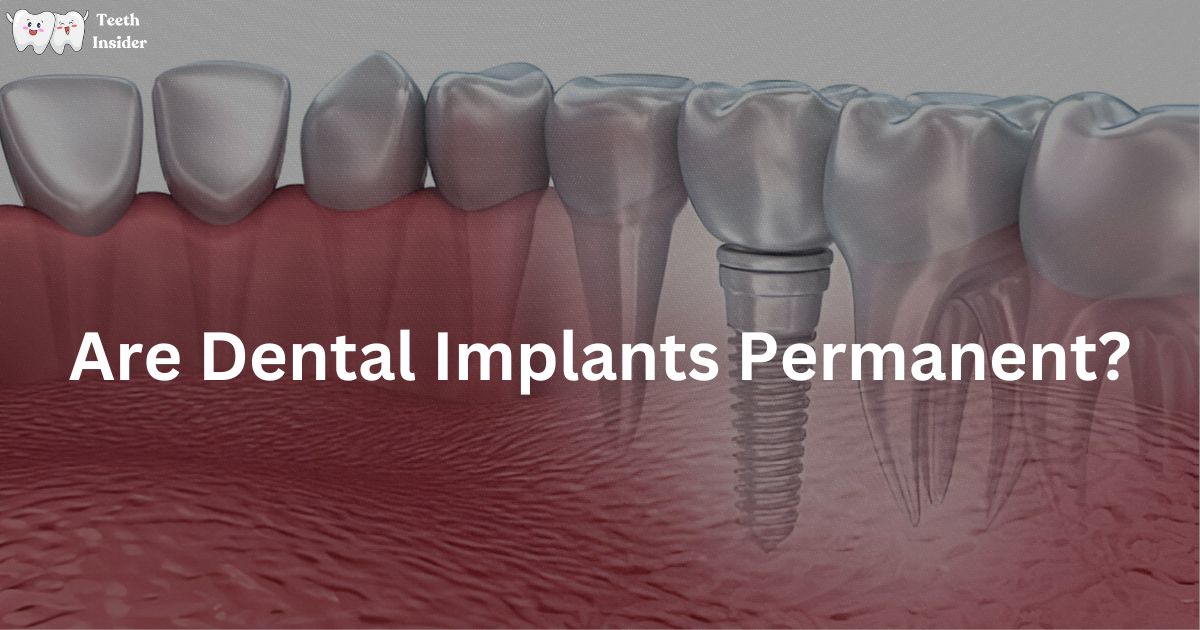
When we discuss dental implants’ permanency, we’re talking about their endurance and lifespan. Dental implants, such as All-on-4 implants, are intended to provide a permanent alternative to missing teeth. Implants are designed to endure for many years, maybe a lifetime with good care, unlike dentures, which may require regular adjustments and replacements.

Exploring the Benefits

Compared to conventional dentures, all-on-four dental implants have the following benefits:

Stability: All-on-4 implants offer a stable foundation for replacement teeth because they are fixed into the jawbone, improving speech and chewing abilities.

Aesthetic Appeal: Your smile will seem better and your confidence will grow back because these implants are made to feel and look like real teeth.

Improved Oral Health: By simulating the function of natural teeth, All-on-4 implants help preserve bone density in the jaw and prevent further degradation.

Convenience: All-on-4 implants offer a hassle-free alternative to removable dentures by doing away with the necessity for messy adhesives and regular removal.


Also Read: What Are Dental Implants? Types, procedures, and more

Addressing Concerns

Even though all-on-four dental implants provide many advantages, there are some things to be aware of.

Longevity: While All-on-4 implants are supposed to be permanent, factors including oral cleanliness, lifestyle choices, and overall health can influence their lifespan. Implants can endure for many years with the right maintenance and routine dental examinations.

Maintenance: To maintain their durability, All-on-4 implants need to be brushed, flossed, and seen by a dentist on a regular basis, just like natural teeth. Implant failure and gum disease are two consequences that can arise from poor dental care.

Risk of problems: All-on-4 implants carry a small but possible risk of problems, including infection, implant failure, and bone loss. To reduce these dangers, it’s critical to speak with a licensed dentist and adhere to post-operative instructions.

Comparison with Traditional Dentures:

The benefits of All on 4 implants over regular dentures are obvious. Conventional dentures may require regular adjustments and can be painful. On the other hand, All on 4 implants provide a stable and long-lasting solution that makes it simple for you to speak, eat, and grin.


Also read: When to Take a Pregnancy Test After Implant Removal? Complete Guide

Conclusion:

To sum up, all-on-four dental implants are a long-term fix for missing teeth. Compared to regular dentures, these implants offer many advantages and a natural look and feel. You can continue to have a confident smile for many years to come with the right upkeep and care.

Thus, why not give All on 4 dental implants some thought if you’re sick of putting up with the inconvenience of dentures? Embrace life with a self-assured smile and say hello to a lasting solution!

Also read: Why No Dairy After Dental Implant? Your Guide

Frequently Asked Questions (FAQs) 

How Do All on 4 Dental Implants Work?

The robust anchor mechanism of All on 4 implants is what makes them so magical. By carefully positioning these implants in the jawbone, a strong basis for the replacement teeth is created. You may brush and clean them just like your original teeth, and there’s no need for adhesive like with dentures.

Are All on 4 Dental Implants Permanent?

Yes, it is true! Tooth loss has a permanent remedy with all-on-4 dental implants. The implants integrate with your jawbone to form a seamless, organic part of your body. This implies that you can eat your favorite foods worry-free and carry on with your everyday activities with assurance.

How do all-on-4 dental implants differ from single dental implants?

Unlike single implants, all-on-4 implants require fewer implants overall since they only require four implants per arch to support an entire set of teeth.

Am I suitable for all-on-4 dental implants?

A dentist can evaluate these and other criteria, including the state of your gums, jawbone, general health, and individual dental needs.

What does the all-on-4 dental implants procedure involve?

Usually finished in a single appointment, the process entails surgically putting four implants in the jawbone and attaching a specially designed set of prosthetic teeth.

How long does the all-on-4 dental implants procedure take?

The patient’s grin will immediately operate better and look better, usually in a few hours.

Does the all-on-4 dental implants procedure hurt?

Thanks to sedative alternatives and local anaesthesia, discomfort is kept to a minimum, making the procedure reasonably painless.

How long do all-on-4 dental implants last?

If given the right care, which includes consistent dental hygiene routines and yearly examinations by your dentist, they can last a lifetime.

What is the success rate of the all-on-4 dental implants procedure?

The success rate is high, usually between 95% and 98%, and most patients report better overall happiness and enhanced chewing ability.

How much do all-on-4 dental implants cost?

Costs vary based on a number of factors, including the dentist’s experience, the materials used, the location, and any extra procedures needed. Because of its intricacy, costs are usually greater than those of single implants.

For more information Click here.

Categories
Dental Implants

How Long Does a Single Tooth Implant Take? Discover the Procedure & Timeframe

Single tooth implants have gained popularity as a tooth replacement option in contemporary dentistry. However, if you’re thinking about getting this therapy, you may be curious about how long it takes in real life.How Long Does a Single Tooth Implant? Let’s examine the specifics to respond to this frequently asked query.

Understanding Single Tooth Implants:

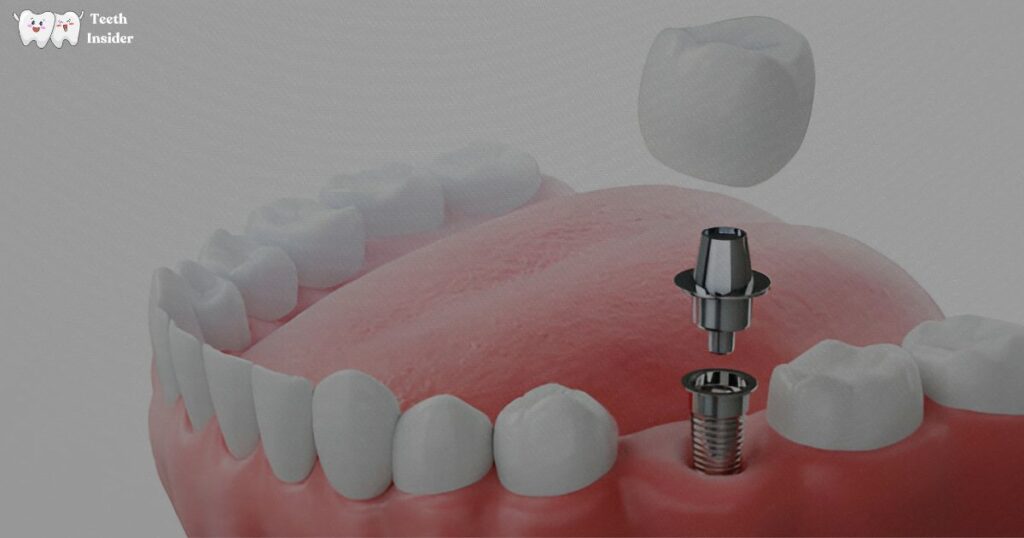
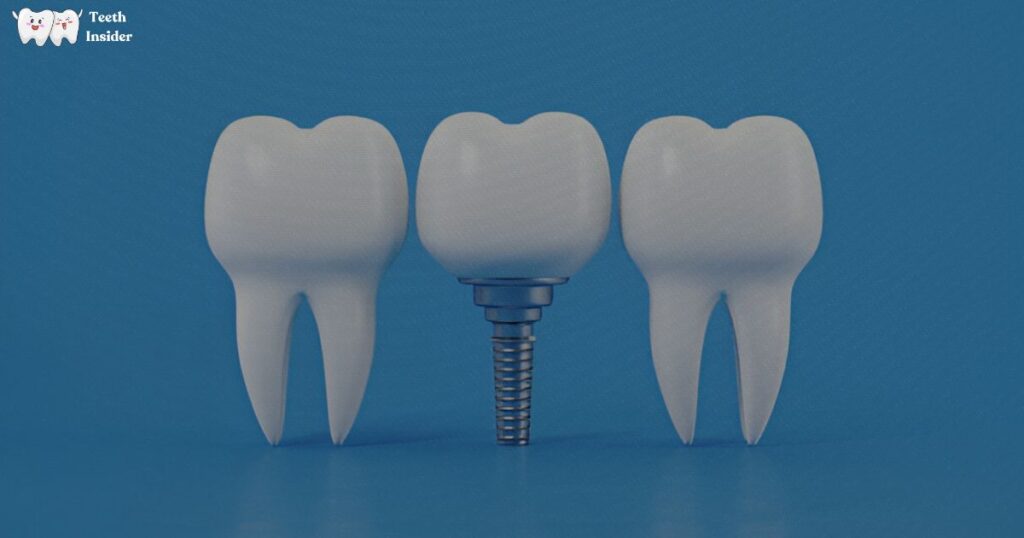
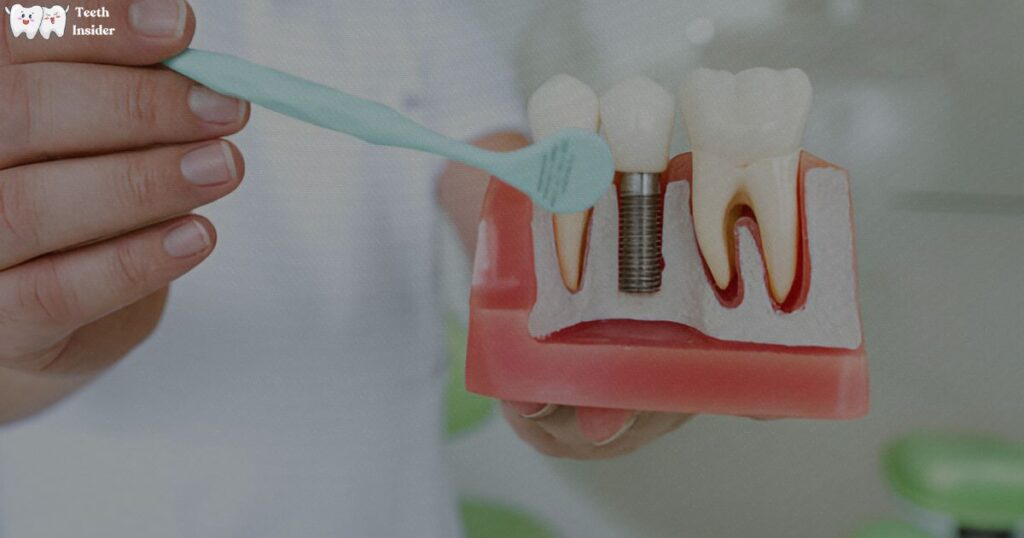
Let’s quickly review single tooth implants before getting into the time factor. In essence, these implants are titanium posts inserted into the jawbone through surgery to mimic the roots of fake teeth. After integrating with the bone, they offer a strong base to which a custom-made crown that resembles a real tooth can be attached.
Also Read: Can One Implant Replace Two Teeth? 

The Process:

Let’s now examine the steps involved in receiving a single dental implant:

Initial Assessment: See your dentist for a consultation to start the process. They will evaluate your dental health and determine whether you are a good candidate for a single tooth implant during this consultation. This is an essential stage in making sure the process works.

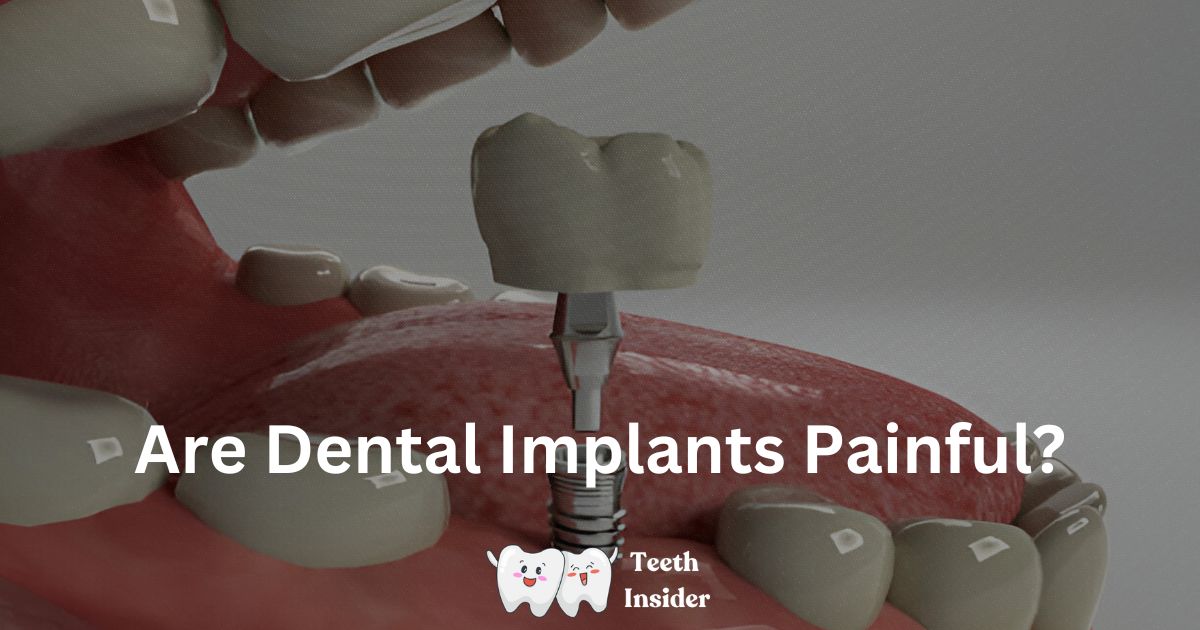
Implant Placement: The actual implant is placed after you are found to be a candidate. For this type of surgery, local anaesthesia is usually necessary. After being properly inserted into the mandible, the titanium post will eventually merge with the surrounding bone tissue.

Healing Period: Your jawbone requires time to repair and meld with the implant following its placement. Osseointegration is the term for this process, which can take several months. It is crucial that you adhere to your dentist’s instructions for good oral hygiene during this period and refrain from applying undue pressure to the implant site.

Abutment Placement: An abutment needs to be attached when the implant and bone have properly bonded. This little connecting piece acts as the final restoration’s anchor by being positioned on top of the implant.

Final Restoration: Ultimately, a crown is created specifically to mimic the size, shape, and colour of your original teeth. The single tooth implant repair is subsequently completed by firmly attaching this crown to the abutment.
Also Read: What Are Dental Implants? Types, procedures, and more

Timeline:

Let’s now tackle the most important query: How long does the full process take? Although each case is different, a single tooth implant usually takes several months to complete. Here’s a basic summary:

  • Consultation and Planning: 1-2 visits
  • Implant Placement: 1 visit (surgery can take 1-2 hours)
  • Healing Period: 3-6 months
  • Abutment Placement: 1 visit (after healing period)
  • Final Restoration: 1-2 visits (after abutment placement)

Remember that these times can change based on things like the complexity of the case, the need for further treatments like bone grafting, and your general dental health.

Also read: When to Take a Pregnancy Test After Implant Removal?

Benefits of Single Tooth Implants:

Single tooth implants have several advantages that make them worthwhile to consider, even with the time commitment. Among them are:

Permanent Solution: A single dental implant is a long-term dental fixture in your mouth, in contrast to conventional bridges or dentures.

Natural Look and Feel: The custom-crafted crown is made to match your natural teeth exactly, giving it a smooth, natural look and feel.

Preservation of Adjacent Teeth: Unlike bridges, implants don’t need to change nearby teeth, thus their natural structure is preserved.

Prevention of Bone Loss: Over time, implants help to maintain face shape and prevent bone loss by stimulating the jawbone.

Conclusion:

Having a single tooth implant is a multi-step process that needs patience and careful planning. The advantages of a long-lasting, realistic-looking tooth replacement make the process worthwhile, even though it could take several months from start to finish. Speak with your dentist if you’re thinking about getting a single tooth implanted to find out more about the process and what to anticipate.

Also read: Why No Dairy After Dental Implant? Your Guide

Frequently Asked Questions (FAQs) 

How long does the implant procedure take?

Depending on a number of individual characteristics, the operation usually takes several months, encompassing the consultation, surgery, healing phase, and final restoration.

Is the implant placement painful?

In order to minimise pain and provide patients with a largely pain-free experience, local anaesthetic is utilised during surgery.

What are the benefits of single tooth implants?

They provide a long-lasting, aesthetically pleasing solution that protects neighbouring teeth, stops bone loss, and gives the mouth its full range of functions.

Related article: Free Dental Implants For Low Income UK Residents

Can anyone get a single tooth implant?

To guarantee the success of the surgery, candidates need to have healthy gums, sufficient bone support, and appropriate oral hygiene practices.

How long does the implant last?

A well positioned implant can last a lifetime with the right care and upkeep, offering a strong and dependable tooth replacement option.

Are there financing options available?

In order to help consumers spread the cost of their care and have greater access to implants, many dental offices provide financing solutions.

For more information Click here..

Categories
Dental Implants

Can Failed Dental Implants Be Replaced? Complete Information

With a success rate of roughly 95 to 98 percent, dental implants—hailed as a contemporary miracle in dentistry—are typically a dependable option for replacing missing teeth. Dental implants have a high success rate, however there is a little possibility that they won’t work. In the event that this occurs, you may be wondering if it is possible to repair failing dental implants.Can Failed Dental Implants Be Replaced?. Let’s investigate this query and your choices.

Understanding Dental Implant Failure

It’s important to first comprehend the potential causes of dental implant failure. Implant failure can be caused by a number of reasons, such as:

  • Insufficient bone support: For dental implants to integrate properly, there must be enough bone support. The implant may fail if the jawbone is not dense enough or has insufficient volume.
  • Health issues: The healing process following implant surgery can be hampered by certain medical disorders, such as diabetes or gum disease, which raises the possibility of failure.
  • Poor dental hygiene: Inadequate oral hygiene Dental implants may become unstable as a result of issues like infection brought on by poor oral hygiene.
  • Surgical errors: Implant failure may also be the consequence of errors committed during the implantation process.

Signs of Dental Implant Failure

For prompt management, it is essential to identify the warning indications of dental implant failure. Typical symptoms include the following:

  • Continuous soreness or agony when chewing or biting.
  • Gum inflammation, suggesting the possibility of an infection.
  • Implant mobility or looseness.
  • Difficulty biting or chewing, which could indicate a malfunction with the implant.
  • It’s critical that you see your dentist right away if you have any of these symptoms so that they can be evaluated and treated appropriately.

Also Read: What Are Dental Implants? Types, procedures, and more

Treatment Options for Failed Dental Implants

Let’s now tackle the important query: may dental implants that fail be replaced? Yes, most of the time, but it also depends on the particular situation. Here are a few potential course of treatment:

Replacing Implants: In cases when the failed implant is salvageable and the surrounding bone is in good condition, your dentist might suggest getting a replacement implant installed.

Bone Grafting: Before trying implant replacement, bone grafting may be required in cases where bone loss has occurred in order to augment the jawbone.

Other Reconstructions: Bridges are alternative dental restorations that might be considered to restore your smile and functionality if implant replacement is not practical.

Related article: When to Take a Pregnancy Test After Implant Removal? Complete Guide

Preventing Dental Implant Failure

Although the failure of dental implants is not common, there are precautions you may do to reduce the risk:

  • To ensure proper dental health, practice consistent brushing and flossing.
  • Don’t smoke because it can impede the healing process and raise the possibility of implant failure.
  • Pay close attention to the post-operative instructions that your dentist gives you.
  • See your dentist on a frequent basis to ensure that any abnormalities are detected early and monitored.

Can Failed Dental Implants Be Replaced?

Yes your dentist might be able to replace your implant right away if the bone surrounding it is still in place after carefully cleaning the area. Before getting a new implant, you could need a bone graft if you’ve lost bone, which takes many months to mend.
Also Read: Why No Dairy After Dental Implant? Your Guide

Conclusion

Even though losing dental implants can be depressing, they can frequently be replaced with new ones if the right care is given. You can improve your chances of a successful implantation and continue to reap the rewards of a healthy smile for years to come by being aware of the reasons for implant failure, identifying the warning signals, and taking preventative action.

Also read: Free Dental Implants For Low Income UK Residents

Frequently Asked Questions (FAQs) 

What happens if dental implants fail?

Dental implants may result in discomfort, swelling, or limited mobility if they fail. To restore oral function and aesthetics, replacement or alternative therapies could be required.

What are the signs of dental implant failure?

Pain, irritated gums, implant movement, and trouble biting or chewing are indicators of dental implant failure.

Why do dental implants fail?

Medical problems, poor oral hygiene, insufficient bone support, and surgical errors during implantation can all lead to the failure of dental implants.

What is the failure rate of dental implants?

Studies indicate that less than 5% of dental implants fail over the course of ten years for a variety of reasons.

Who is responsible for dental implant failure?

Diverse factors can contribute to dental implant failure. Failure may be caused by elements like the dentist’s actions and the patient’s oral hygiene.

For more information Click here…

Categories
Dental Implants

How Much Does a Tooth Implant Cost in Manchester, UK?

In the bustling city of Manchester, UK, smiles are a common sight. A self-assured smile can brighten any space, but what happens when that smile is shadowed by a missing tooth? Dental implants are a lifesaver, however many people are curious about the cost of a tooth implant in Manchester, UK. How Much Does a Tooth Implant, This post will examine Manchester dental implant costs in detail and discuss whether or not this treatment option is cost-effective.

The Cost of Dental Implants: Unveiling the Factors

Although Dental implants are an excellent way to replace lost teeth, there are a number of variables that can affect How Much Does a Tooth Implant. Making an informed choice regarding your oral health might be facilitated by your understanding of these variables.

Quality Materials for a Lasting Smile

Dental implants are finely crafted devices intended to resemble real teeth. These implants are made from premium materials like titanium and dental porcelain to endure the stresses of biting and chewing. Although these materials are costly, they guarantee endurance. For dental implants to be successful over the long term, high-quality materials are necessary.

Expertise and Training for Peace of Mind

It’s important to select a dental implant specialist with experience. Like any surgical process, getting dental implants requires surgery, which carries some inherent risks. In order to give their patients the finest care possible, skilled implant dentists spend years perfecting their craft and attending multiple training sessions. How Much Does a Tooth Implant, Choosing dental implants in Manchester is an investment in confidence and knowing your implants are in good hands.


What Are Dental Implants? Types, procedures, and more

State-of-the-Art Equipment for Precision

Modern dentistry has advanced to the point that dental implants need state-of-the-art technology to be placed precisely. Laser-guided surgical kits and other equipment make it easier for dentists to precisely put implants while avoiding sensitive areas like face nerves. A thorough image of the mouth is provided by 3D imaging, which helps determine the depth and density of the bones. During the operation, patients are guaranteed to remain pain-free and calm thanks to sedation devices. Although it raises the overall cost, this state-of-the-art technology guarantees the effectiveness and safety of dental implant surgery.


When to Take a Pregnancy Test After Implant Removal? Complete Guide

The Price Range: What to Expect

You might be curious about dental implants in Manchester and their cost. Although prices could differ, it’s generally safe to estimate between £900 and £2000 for each tooth. Even while this could seem like a big expenditure, it’s important to keep in mind that dental implants, with the right maintenance, can endure for more than 40 years. This is a one-time payment, in contrast to other tooth replacement choices. Like your natural teeth, dental implants require little upkeep once they are in place.

Why Choose Dental Implants in Manchester?

Dental implants have many benefits in addition to being a remedy for lost teeth.

Natural Feel: Dental implants have the same feel and functionality as natural teeth, so you can eat the foods you love without experiencing any discomfort.

Prolonged: Dental implants are an affordable option since, with the right maintenance, they can last a lifetime.

Easy to Handle: Dental implants integrate into your teeth and don’t need to be taken out or sealed with adhesives.

Maintain Oral Health: Dental implants do not jeopardise the health of neighbouring teeth, in contrast to other tooth replacement methods.

Quality of Life: With a big smile, regain your self-assurance and raise your general standard of living.

Why No Dairy After Dental Implant? Your Guide

Conclusion: A Priceless Investment in Your Smile

Dental implants in Manchester, UK can be expensive, but you should consider them an investment in your general health and oral health. Dental implants are expensive, but they guarantee a long-lasting and realistic-looking smile because of high-quality materials, professional training, and cutting-edge equipment. Therefore, you can feel secure knowing that investing in dental implants to restore the brightness of your smile can provide you with a lifetime of satisfaction and confidence.

Dental implants may hold the key to a complete and self-assured grin in the energetic city of Manchester, where smiles abound. With increased knowledge about dental implant prices in Manchester, you can confidently start your path to a beautiful smile.

Free Dental Implants For Low Income UK Residents

Frequently Asked Questions (FAQs) 

How Many Implants Do I Require?

Depending on your unique situation and the teeth that need to be replaced, several implants may be required. Following a comprehensive evaluation, your dentist will offer a customised treatment plan.

Do Dental Implants Feel Natural?

Yes, dental implants are made to resemble real teeth in terms of appearance, feel, and functionality. Because they are securely fixed in your mandible, they offer comfort and stability.

Are Dental Implants Available on the NHS?

No, dental implants are usually considered a private dental procedure in Manchester because they are not covered by the NHS.

Why Is Bone Grafting Necessary Before Implant Placement?

If there is not enough density in your jawbone to sustain the implant, bone grafting can be necessary. It contributes to building a solid base upon which the implant can bond.

How Long Is the Implant Procedure?

The length of time varies according to how complicated the case is. The actual implantation for a single tooth can take as little as 30 minutes, but in order to give the body enough time to recuperate, the final artificial teeth are often fitted three to four months later. Teeth are provided temporarily during this period of time.

For more information visit Teeth Insiders.

Categories
Dental Implants

How Much Are Teeth Implants in Texas? Complete Guide

How Much Are Teeth Implants in Texas? Complete Guide

Getting dental implants in Texas can give you a smile that shines very bright. But how much will this teeth transformation cost you? The answer is not as simple as you may expect. The expense of dental implants in Texas is influenced by multiple factors, from where you live in this vast state to your dentist’s expertise and the type of implant you choose.

In this blog post, you will learn the key factors affecting the cost of teeth implants in Texas, providing you with a clear understanding of what you can expect. So, let’s explore the average cost of teeth implants in Texas.
Also Read: How Much Does Teeth Whitening Cost in California?


Factors Affecting the Cost of Teeth Implants

The following are some factors that affect the cost of dental implants:

Dental Clinic Location

Where you live in Texas matters; big cities commonly have higher costs. Smaller towns can be cheaper.

Dentist’s Experience and Expertise

Like in all jobs, more experienced dentists may charge more. However, they can also do a better job.

Type of Dental Implant

There are different types of dental implants. Some cost you more because they are more advanced.

Material Used for the Implant

The material used for the implant affects the cost. Some materials are more costly but also more lasting.

Pre-Implant Procedures

Sometimes, you may require other procedures before getting an implant. These add to the cost but can be important for success.

Post-Implant Procedures

After the implant, there are more steps. You need abutments and crowns to make your teeth look great.
Also Read: How Much Does a Tooth Implant Cost in Manchester, UK?


Average Cost of Teeth Implants in Texas

The estimated cost of dental implants in Texas can range from $1,100 to $1,300. But wait, there are extra costs! You’ll need an abutment and crown, which can add another $1,000 to $1,500. That makes the total cost between $2,100 and $2,800. But here’s a general idea: a single dental implant costs about $1,500 to $2,000.

Cost-Saving Tips

Now, how can you save money on dental implants in Texas? Here are some tips:

  • Dental Tourism: You can travel to Mexico or nearby places for more affordable implants. But make sure to choose a reputable clinic.
  • Dental Schools: Dental schools often have lower prices. Students work under the supervision of experienced dentists. It’s a way to save money and help future dentists learn.
  • Get Multiple Quotes: Don’t rush, focus on quotes from different dentists. Also, compare their prices and services. This helps you make an informed decision.
  • Take Care of Your Implants: Once you have implants, take good care of them. Regular dental check-ups can catch problems early, saving you money in the long run.

Also read: Free Dental Implants for Low-Income UK Residents


Conclusion

In conclusion, the cost of teeth implants in Texas can vary. It depends on where you are, your dentist, the type of implant, and many other factors. On average, a single teeth implant can cost around $1,500 to $2,000.
Also Read: What Are the Advantages and Disadvantages of Dental Implants?

Remember to check your dental insurance and explore financing options if needed. Lastly, don’t forget taking care of your implants is essential for a long-lasting, beautiful smile.