Timing is crucial after removing a contraceptive implant if you want to confirm pregnancy. Understanding how implants work, how long their hormones remain in your system, and choosing the right test ensures accurate results. Many people turn to teethinsider for guidance on oral health and dental care, especially when managing recovery or planning procedures. Proper timing helps avoid false positives or unnecessary stress.
How contraceptive implants work
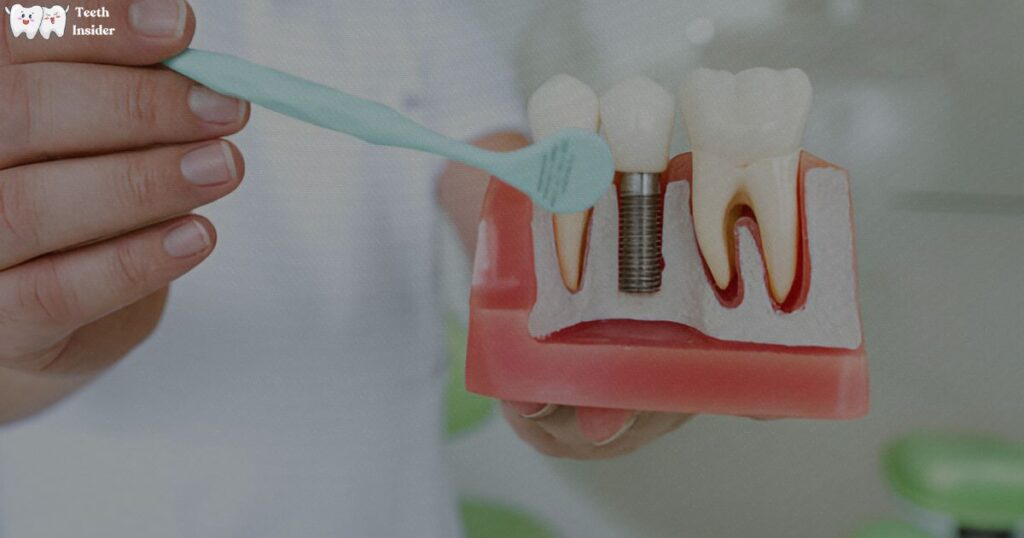
Contraceptive implants are small, flexible rods inserted under the skin of the upper arm. They release a hormone called progestogen, which prevents ovulation and thickens cervical mucus to reduce the chance of conception. For those facing financial barriers to dental care, free dental implants for low income UK residents may provide a pathway to restore oral function. Implants can be effective for up to three years, but once removed, fertility generally returns quickly.
The waiting period after implant removal
Hormones from the implant can linger briefly in your system after removal. Testing too early may result in misleading results.
Key guidelines:
- Minimum waiting time: Wait at least seven days after removal. This allows most of the implant’s hormones to clear and reduces false positives.
- Optimal accuracy: Waiting until the first menstrual cycle post-removal, typically 4–6 weeks, ensures your body’s natural hormone levels have returned to normal and provides the most reliable test results.
Choosing the right pregnancy test
Selecting the correct type of test can improve accuracy:
Urine tests
- Available at most pharmacies.
- Simple to use at home.
- Sensitivity varies; opt for tests that detect low levels of hCG for early detection.
Blood tests
- Conducted in clinics or by healthcare providers.
- Can detect pregnancy earlier than urine tests.
- Useful if home test results are unclear or for confirmation.
Tips for accurate testing
- Use first-morning urine: Hormone concentrations are highest, improving test reliability.
- Follow instructions carefully: Incorrect use can lead to inaccurate results.
- Retest if needed: If you test negative but your period hasn’t arrived, repeat testing after a few days. Hormone levels rise over time, clarifying results.
Summary
Accurate pregnancy testing after implant removal depends on timing, test type, and careful adherence to instructions. When recovering from dental surgery, many patients ask why no dairy after dental implant? your guide can clarify the reasons, helping them avoid foods that may interfere with healing. Waiting at least a week—and ideally until your first post-removal cycle—ensures reliable results. Consulting a healthcare professional can provide personalised guidance based on your situation and help you plan your next steps confidently.
Frequently Asked Questions
How soon after implant removal can I test for pregnancy?
Wait at least 7 days, but for most accurate results, consider testing after your first menstrual cycle (4–6 weeks).
Do hormones from the implant affect test results?
Yes, residual hormones can cause misleading results if testing too early.
Which pregnancy tests are most accurate?
Blood tests are the most sensitive, though high-quality urine tests detecting low hCG levels are effective for home use.
Should I use first-morning urine?
Yes, because hormone concentrations are higher, which improves accuracy.
What if I get a negative result but no period?
Retest a few days later; hormone levels may not yet be detectable.
Can fertility return immediately after implant removal?
Yes, ovulation can resume quickly, making timing important for testing.
Is it safe to rely solely on home tests?
Home tests are accurate if used correctly, but a healthcare provider can confirm with a blood test if needed.
When should I consult a healthcare professional?
If your test results are unclear, your period is significantly delayed, or you have concerns about fertility.
Author: teethinsider
Last updated: January 2026