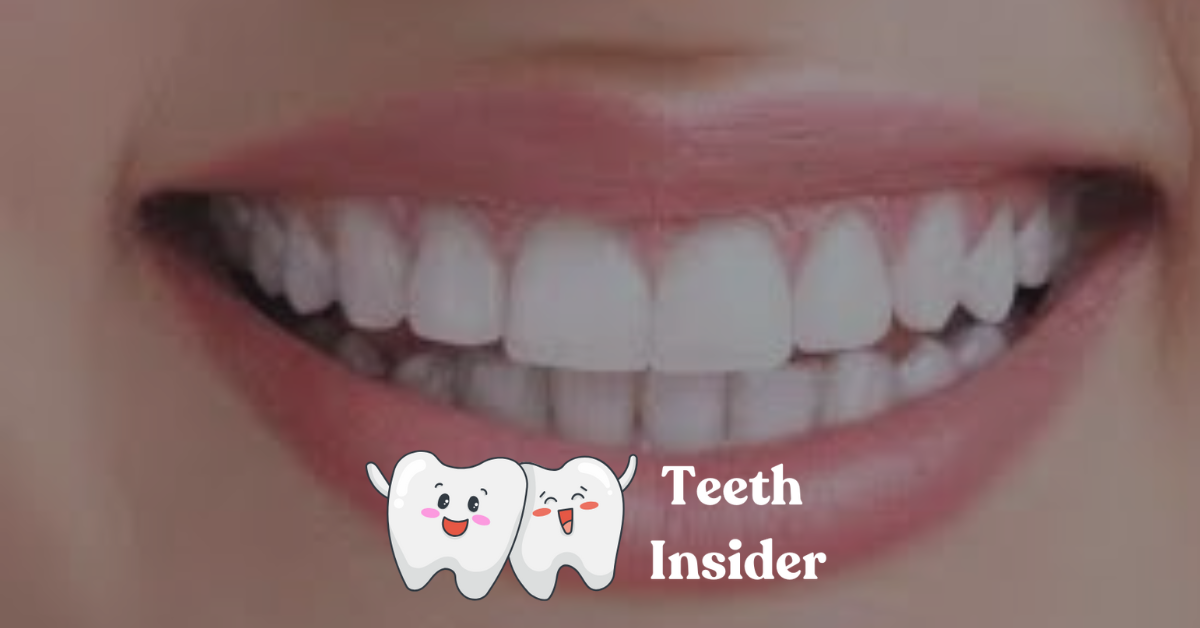
Composite bonding is a cosmetic dental procedure used to repair, reshape, and enhance teeth using a tooth-coloured resin. It improves the appearance of chips, gaps, stains, and minor misalignment while preserving natural tooth structure. The treatment is minimally invasive, cost-effective, and completed in a single visit in most cases.
People search for composite bonding when they want to improve their smile without braces, veneers, or complex dental work. It is often chosen for its simplicity, affordability, and natural-looking results.
What Is Composite Bonding?
Composite bonding is a cosmetic dental treatment where a dentist applies a soft, tooth-coloured resin to the surface of a tooth and shapes it to improve appearance. The material is then hardened using a special curing light. The result blends seamlessly with natural enamel.
How Composite Bonding Works
The bonding process focuses on precision and aesthetics rather than removing healthy tooth structure.
The dentist first selects a resin shade that closely matches the surrounding teeth. The tooth surface is gently prepared to help the material adhere. The composite resin is layered, shaped, and sculpted before being cured. Final polishing gives the tooth a smooth, natural finish.
The procedure is painless in most cases and usually does not require anaesthesia.
Problems Composite Bonding Can Fix
Composite bonding is suitable for correcting mild to moderate cosmetic concerns.
- Chipped or cracked teeth
- Small gaps between teeth
- Discoloured or stained teeth
- Uneven or misshapen teeth
- Slight tooth length differences
- Minor alignment imperfections
It is not designed to correct major bite issues or severe crowding.
Composite Bonding vs Other Cosmetic Treatments
| Feature | Composite Bonding | Veneers | Crowns |
|---|---|---|---|
| Tooth removal | Minimal or none | Moderate | Significant |
| Procedure time | One visit | 2–3 visits | 2 visits |
| Cost | Low to moderate | High | High |
| Reversibility | Often reversible | Not reversible | Not reversible |
| Durability | 3–7 years | 10–15 years | 10–15 years |
Composite bonding is often chosen as a conservative alternative to veneers when structural damage is minimal.
Step-by-Step Composite Bonding Procedure
- Consultation and assessment
The dentist evaluates tooth health, bite alignment, and cosmetic goals. - Shade matching
A resin shade is selected to match natural enamel. - Tooth preparation
The surface is lightly roughened for better bonding. - Resin application
Composite material is applied in layers and shaped carefully. - Curing
A curing light hardens the resin. - Polishing
The bonded tooth is smoothed and polished for a natural finish.
How Long Does Composite Bonding Last?
Composite bonding typically lasts between 3 and 7 years. Longevity depends on oral hygiene, diet, bite pressure, and habits such as nail biting or teeth grinding.
Regular dental checkups and professional polishing help extend its lifespan.
Cost of Composite Bonding
The cost of composite bonding varies depending on location, dentist expertise, and the number of teeth treated.
| Treatment Area | Average Cost Range |
|---|---|
| Single tooth | Lower cost |
| Multiple teeth | Moderate total cost |
| Full smile bonding | Higher cost, still less than veneers |
Bonding is generally more affordable than veneers or crowns.
Advantages of Composite Bonding
- Preserves natural tooth structure
- Quick treatment with immediate results
- Cost-effective cosmetic solution
- Natural appearance
- Repairable if damaged
Limitations and Risks
Composite bonding has some practical limitations.
- Less stain-resistant than porcelain
- Can chip under heavy pressure
- Requires maintenance and occasional repairs
- Not suitable for severe dental issues
Understanding these limitations helps set realistic expectations.
Who Is Composite Bonding Best For?
Composite bonding is ideal for people who:
- Want cosmetic improvement without invasive procedures
- Have healthy teeth and gums
- Need minor aesthetic corrections
- Prefer a budget-friendly option
It may not be suitable for those with severe grinding habits or major alignment issues.
Aftercare and Maintenance Tips
Proper care keeps bonded teeth looking natural longer.
- Brush twice daily with a non-abrasive toothpaste
- Floss regularly
- Avoid biting hard objects
- Limit staining foods and drinks
- Wear a night guard if recommended
Composite Bonding Myths vs Facts
| Myth | Fact |
|---|---|
| Bonding damages teeth | It preserves tooth structure |
| It looks fake | Properly done bonding looks natural |
| It lasts forever | It requires maintenance |
| It stains immediately | With care, staining is minimal |
FAQs About Composite Bonding
Is composite bonding painful?
Composite bonding is usually painless and rarely requires anaesthesia.
How many teeth can be bonded at once?
Multiple teeth can be bonded in a single appointment, depending on complexity.
Can composite bonding fix crooked teeth?
It can improve the appearance of minor misalignment but does not move teeth.
Does bonding look natural?
When done properly, the resin closely matches natural enamel.
Can bonded teeth be whitened later?
Bonded resin does not respond to whitening treatments and may need replacement.
Is composite bonding reversible?
In many cases, yes, because minimal enamel is altered.
How soon can I eat after bonding?
You can eat immediately, but avoid hard foods for the first 24 hours.
Does insurance cover composite bonding?
Coverage depends on whether the procedure is considered cosmetic or restorative.
Conclusion
Composite bonding offers a conservative, effective way to enhance a smile with natural-looking results. It is best suited for minor cosmetic improvements and patients seeking an affordable, minimally invasive option. With proper care and realistic expectations, it can significantly improve dental aesthetics.
Author: Teeth Insider
Last updated: January 2026