Teeth Insider

Categories
Dental Implants

How Much are Dental Implants? Complete Guide

Dental implants can replace lost or broken teeth, boosting your smile and oral health. When people think about dental implants, they often wonder about the cost. In this article, we will provide you with a detailed breakdown of dental implant costs.

It’s crucial to know that every dental implant procedure is unique, and costs can vary greatly. The entire cost of receiving a dental implant is made up of various components, such as:

Also Read: Free Dental Implants For Low Income UK Residents

Understanding Dental Implant Costs

Comprehensive Dental Exam and 3D Imaging: We perform a thorough dental exam, including 3D imaging, to assess if you can get dental implants. A CT scan may cost anywhere from £350 to £515, even though some practices provide them for free.

Tooth Extraction: Before getting dental implants, problematic teeth might need to be removed.

Implant Installation: The dental implant is put in your jawbone during surgery.

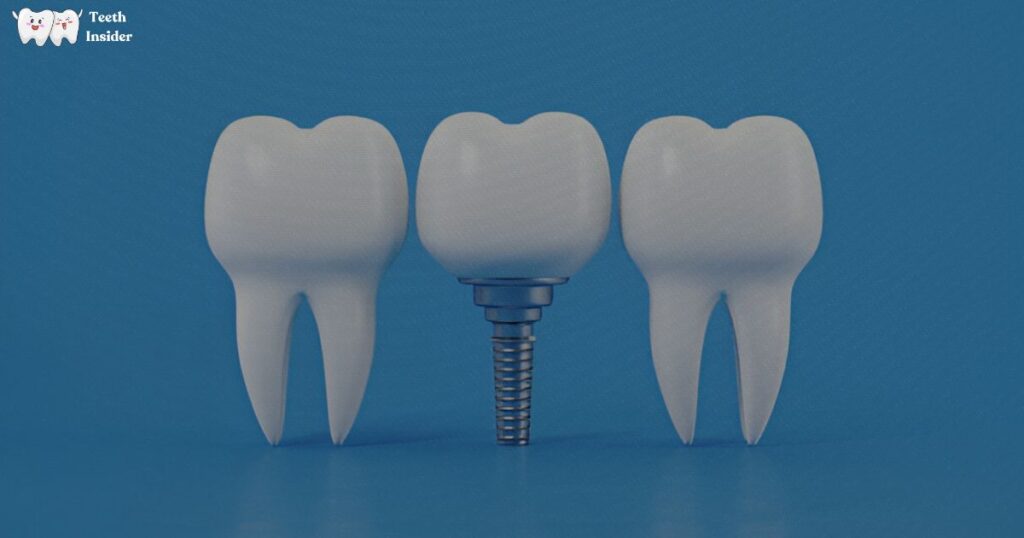
Abutment Hardware Placement: After the gums heal, a small piece called an abutment is attached to the implant. The abutment connects the crown to the implant.

Dental Crown Fabrication and Placement:The dental crown, which is the part you can see, is custom-made and placed on top of the abutment.

The costs of these parts may vary depending on the dentist office you choose. To understand how much you should pay, ask for a breakdown of costs that apply to you.

Also Read: Why No Dairy After Dental Implant? Your Guide

Factors Affecting Price

The following variables affect dental implant costs:

Type and Complexity of Work: The Cost of dental implants depends on the type and extent of work needed. The total cost depends on factors like the bone graft used, if a sinus lift is necessary, and if a CT scan is necessary.

Practitioner’s Location: Dentists in big cities charge more than dentists in small towns or rural areas.

Also Read:When to Take a Pregnancy Test After Implant Removal? Complete Guide

Cost Breakdown for Different Types of Dental Implants

The cost of dental implants differs based on the type and complexity of the procedure. This is an explanation:

Single-Tooth Implant: According to the American Dental Association, one tooth implant can cost from £3,100 to £5,800.

Multiple-Tooth Implant: If you need to replace multiple teeth next to each other, there are cheaper options. One option is a bridge with two implants. You should budget between £6,000 and £10,000.

Full Mouth Implant: The most expensive option is to Replace every tooth one at a time, costing £60,000 to £90,000. An alternative called the All-on-4 implant usually costs between £24,000 and £50,000. It uses four to six implants in each jaw to support complete arches of prosthetic teeth.

Extra Expenses to Take Into Account

Some dentists require upfront payment, and there may be extra charges to think about. The dentist may suggest over-the-counter or prescription drugs, such as antibiotics or painkillers.

Insurance Coverage for Dental Implants

Implant-related dental insurance coverage has been changing. Insurance plans now cover part of dental implant costs, even though they used to be optional. Reimbursement amounts could be limited each year or for life, and might vary by procedure.

Dental insurance plans usually pay out approximately £1,500 annually for each implant. You might be able to file a claim for both years if your implant procedure takes place over two calendar years. Dental implants can be paid for with HSAs, FSAs, and HRAs, reducing the financial burden.

Also Read: What Are Dental Implants? Types, procedures, and more

Conclusion

To determine the cost of dental implants, think about where you are, your insurance, and your situation. Dental implants provide long-term advantages and are a lifetime investment in your oral health and self-esteem. Pricing should always be discussed with the dentist of your choice to guarantee openness and complete understanding of the associated costs.

Dental implants may seem pricey at first, but they improve your life and last a long time. Talk to your insurance administrator or provider. They can help you understand your coverage choices and assist you in making oral health decisions.

Frequently Asked Questions (FAQs) 

How much do dental implants cost?

Dental implant costs vary, but for a single tooth, expect to pay between £3,100 to £5,800, according to the ADA.

Does insurance cover dental implants?

Dental insurance typically covers around £1,500 per implant per year, with variations among plans.

Are there hidden costs with dental implants?

Most dentists present the entire cost upfront, with minimal additional expenses for medications.

What factors influence dental implant prices?

Prices depend on factors like the type and complexity of work required and your location.

How long does a dental implant procedure take?

The entire process may span several months, with surgeries and healing periods between stages.
Categories
Dental Implants

Are Dental Implants Permanent? All You Need to Know

Many people now choose dental implants to replace lost or broken teeth. Dentists recommend them. They say you’ll feel more comfortable, your smile will look natural, and you’ll feel confident again. However, a common query is whether Dental implants are actually permanent. In this article, we will talk about how long dental implants last. We will also look at the factors that affect their longevity. Lastly, we will explore ways to prevent them from fading over time.

Also Read: What Are Dental Implants? Types, procedures, and more

How Long Do Dental Implants Last?

The goal of dental implants is to offer a durable remedy for tooth loss. They can live for an astounding 20 to 30 years on average. It’s important to take care of your teeth for them to last a long time. This doesn’t only depend on the materials used.

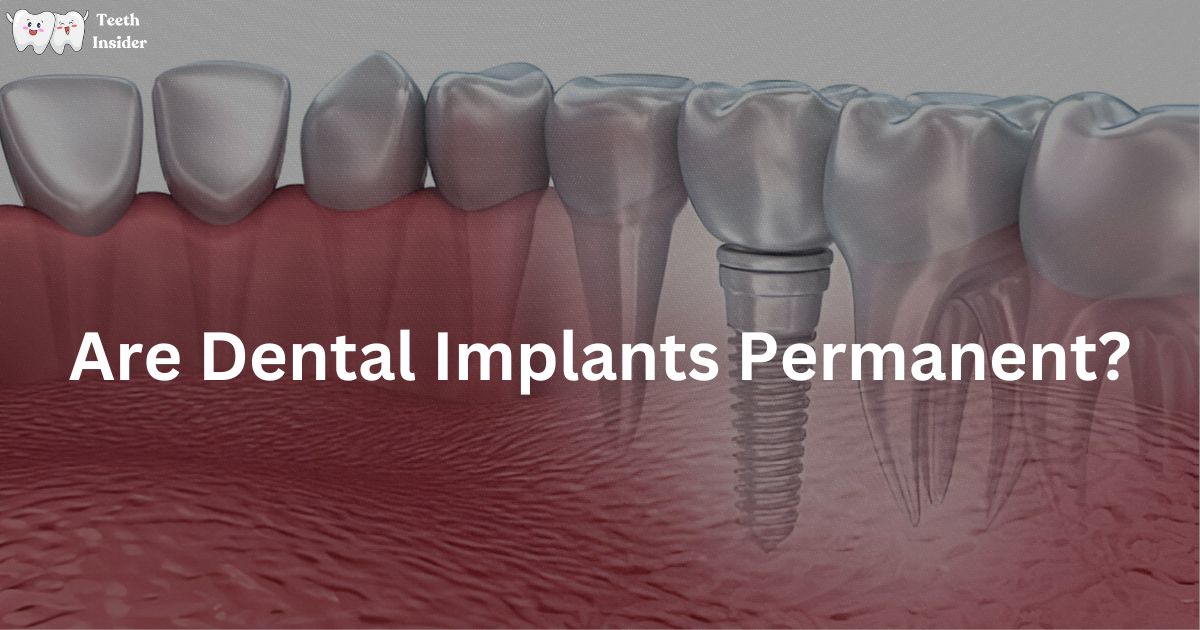
The titanium ‘root’ of a dental implant blends in with your jawbone to resemble the root of a real tooth. A ceramic dental crown, which replaces the visible portion of the tooth, is perched atop this root. To make your dental implants last longer, take care of them just like your natural teeth. This entails routine dental checkups, daily cleanings, and frequent flossing.

Also Read: How Much are Dental Implants?

Elements Affecting the Lifespan of Dental Implants

The lifespan of dental implants can be affected by a number of factors. Understanding these factors is crucial for making good decisions about your oral health.

Oral Health: A good jawbone and healthy gums are needed for an easy implant process. It is imperative to treat any pre-existing gum disease prior to implant placement. It is still very important to take good care of your mouth. Plaque can harm your gums and other nearby tissues.

Lifestyle Choices: Smoking and drinking a lot can harm dental implants and make them last a shorter time. Nicotine slows down the healing process by limiting oxygen and blood flow. If you drink alcohol right after getting an implant, it can affect how your tissues heal and form clots.

Injury or Damage: Dental implants are durable, but eating hard or sticky food can still damage crowns. To protect dental implants, be gentle and avoid using them to open bottles or packages.

Medical Conditions: People who have weak immune systems or diabetes are more prone to getting infections. Additionally, their healing process may be slower. Effectively managing these conditions is essential to guaranteeing the success of dental implants.

Teeth Location: The kind and position of the missing tooth can also affect how long an implant lasts. The back teeth may decay faster since they are chewed on and compressed frequently.

Teeth Grinding (Bruxism): Bruxism is when you clench or grind your teeth. It can stress implants and natural teeth. In order to protect the implants, it is imperative that this condition be treated.

Also Read: Why No Dairy After Dental Implant? Your Guide

How to Take Care of Your Dental Implants

To make your dental implants last longer, follow these important maintenance guidelines.

Oral Hygiene: To keep your gums healthy and prevent plaque, brush your teeth twice a day and floss regularly.

Regular Check-ups: Don’t forget to schedule regular check-ups with your dentist for your implants. This helps address any problems quickly.

Healthy Lifestyle: To help your implants heal, quit smoking and drink less alcohol for a healthier lifestyle. And do Not used dairy products After Dental Implant.

Protect Your Teeth: Take care of your teeth by avoiding biting hard things or using your dental implants as tools.

Address Bruxism: If you grind your teeth, ask your dentist about using a mouthguard to protect your teeth and implants.

Also Read: What Are Dental Implants?

Conclusion

Regarding the inquiry, “Are dental implants permanent?” In short, they can replace lost or broken teeth if cared for properly. The effects may vary depending on your oral health, lifestyle, and medical conditions. To maintain a beautiful smile with dental implants, take good care of them and make wise choices.

Frequently Asked Questions (FAQs) 

1. How can I make sure my dental implants last a long time?

Learn how to properly care for your dental implants and increase their lifespan.

2. Can I drink alcohol following dental implant placement?

Find out how long after implant surgery is the best time to drink alcohol to promote healing.

3. Are there any tooth replacement options besides dental implants?

Take a look at different Tooth replacement options and see which one suits your dental needs.

4. What possible side effects are connected to dental implant surgery?

Learn about issues that can happen in dental implant surgery and how to fix them.

5. If I have dental implants, how can I treat bruxism, or grinding of the teeth?

Discover effective techniques to protect dental implants and natural teeth from bruxism.

Categories
Dental Implants

Can Dental Implants Restore Face Shape? Complete Guidance

When it comes to Dental implants, many wonder if they can truly restore the natural shape of one’s face. The answer is a resounding yes, my dear readers! Dental implants can close the gaps in your smile. They also keep your face’s structure intact. This stops it from ageing and sagging. Shall we delve into this intriguing topic?

The Influence of Missing Teeth on Facial Structure

Losing one or more teeth drastically changes the structure of your face in a number of ways. This investigation shows how having gaps in your smile might change how your face looks:

Reduced Facial Height:  Short jawbones determine facial features. The jawline is lower as it recedes. This makes our faces look shorter, especially when bone loss is severe.

Emergence of Wrinkles: Wrinkles start when teeth are lost. This loss decreases bone structure. It weakens the support of the face muscles. This lack of support leads to skin folding. It makes wrinkles, especially around the lips.

Thinner Lips:  A large mouth supports your lips. It makes them fuller and more sensuous. Without this support, the size of the lips may appear reduced.


Why No Dairy After Dental Implant? Your Guide

How Dental Implants Can Reshape Your Face

Missing teeth can harm your smile. They can also change your jawbone and make signs of ageing more noticeable. This can age your appearance early.

Enhancing The Beauty of The Face

Choosing dental implants can significantly improve the attractiveness of one’s face. Losing teeth changes the face’s anatomy. This happens because the jawbone decays, making the face look older and hollow. Dental implants replace the lost tooth and its root. They tackle this issue directly. Chewing stimulates the jawbone. This action prevents more loss and keeps your face’s natural shape. The result is a vivid appearance and the retention of your youthful glow.

When to Take a Pregnancy Test After Implant Removal

Boosting Self-Esteem

One’s confidence and self-image might be greatly impacted by tooth loss. Dental implants are vital. They boost self-confidence by restoring smiles and improving oral health. They remove worries about gaps. also save you from the trouble of moving dentures. This gives you confidence. You can socialise without fretting about how your teeth look.

What Are Dental Implants?

Restoring Chewing Functionality

Dental implants can fully restore chewing efficiency. This ability is one of their best features. Dental implants are fixed into the jawbone. Removable dentures are different. They may restrict food choices. Because of its stability, false teeth have almost the same biting power as real teeth. This allows a wide range of meals to be eaten without discomfort or worry about damaging the false teeth.

Offering a Durable Solution

Dental implants are a long-lasting solution for tooth loss. Other tooth replacements need regular maintenance or will eventually need replacement. Implants can last a lifetime with care and checkups. They are an affordable, long-term investment in your facial structure and oral health.

How Long Does a Single Tooth Implant Take

Achieving a Natural Appearance and Sensation

Dental implant technology has advanced. It ensures that prosthesis feel and look very natural. The materials used match the sheen and texture of real teeth. They will blend seamlessly with your smile. This realism ensures that your implants blend in with your natural teeth. They give you a smile that looks good and is useful.

Getting Dental Implants: The Process

Your dentist will do a full exam. This will happen before they start using dental implants to fix your face’s shape. If they think you’re a good fit, the procedure goes like this:

Implant placement: The implant, a tiny titanium post, is placed into the mandible to replace the lost tooth’s root.

Osseointegration and Healing: After that, there is a healing phase. During it, the implant undergoes osseointegration—fusing with the jawbone.

Abutment and Crown Placement: The new tooth is completed by attaching an abutment and a crown. This happens after the implant has merged.

Check Teeth Implants Cost in Texas

Addressing Common Concerns

Pain & Discomfort: Thanks to better anaesthesia and sedation, patients feel little pain during implants. Over-the-counter drugs are usually effective in managing pain following surgery.

Cost and Investment: Dental implants may seem to need a large initial outlay. But, over time they prove to be cheap. This is due to their long life and many advantages.

Implant Adequacy: They consider health, cleanliness, and jawbone density. But, most people can get dental implants. Implants are now more widely available. This is thanks to advances in techniques like bone grafting.

Are Dental Implants Permanent

Conclusion

To put it briefly, dental implants are used for much more than just tooth replacement. They are crucial. keep the natural contours of your face. They stop the bone loss that causes wrinkles and drooping. If you’re considering dental implants, you’re investing in your face’s youthful look. This is in addition to your smile.

Remember, the first step to a radiant smile and a restored face is a dentist consultation. They can help you navigate the procedure and make sure you get the attention and outcomes you want. Since dental implants are a change rather than only a therapy, why not start the process right now?

Are Dental Implants Painful

Frequently Asked Questions

Do dental implants affect facial structure?

Yes, implants can improve facial structure. They do this by stopping jawbone loss, which keeps your face’s natural shape. This stops the sunken look that comes with tooth loss.

Can implants improve facial aesthetics?

Indeed. Dental implants improve facial appearances. They support the jawbone and replace missing teeth. This gives the face a more youthful, lively look.

How do dental implants prevent changes in face shape?

Dental implants maintain your facial features. They do this by stimulating the jawbone like natural tooth roots. This prevents bone loss, which can cause changes in facial shape.

Will getting dental implants make me look younger?

Dental implants can replace missing teeth. They can give you a younger look by filling your facial structure. This minimises ageing symptoms like wrinkles and drooping skin.

Are dental implants noticeable?

Dental implants are meant to be nearly undetectable. They are made to fit flawlessly with your natural teeth. They improve both appearance and functionality without sacrificing your smile’s natural appearance.

How long does it take for implants to affect face shape?

Dental implants favourably shape the face from implantation until tissue heals. Then, they support the face.

Can dental implants restore my original face shape after tooth loss?

Dental implants stop the jawbone from deteriorating after tooth loss. They can make a big difference in getting your face back to its previous shape.

Is everyone a candidate for dental implants to restore face shape?

Most people can get dental implants. But, the jawbone must be dense enough. A dentist can assess your condition and recommend the best course of treatment.

Are Dental Implants Stronger than Natural Teeth