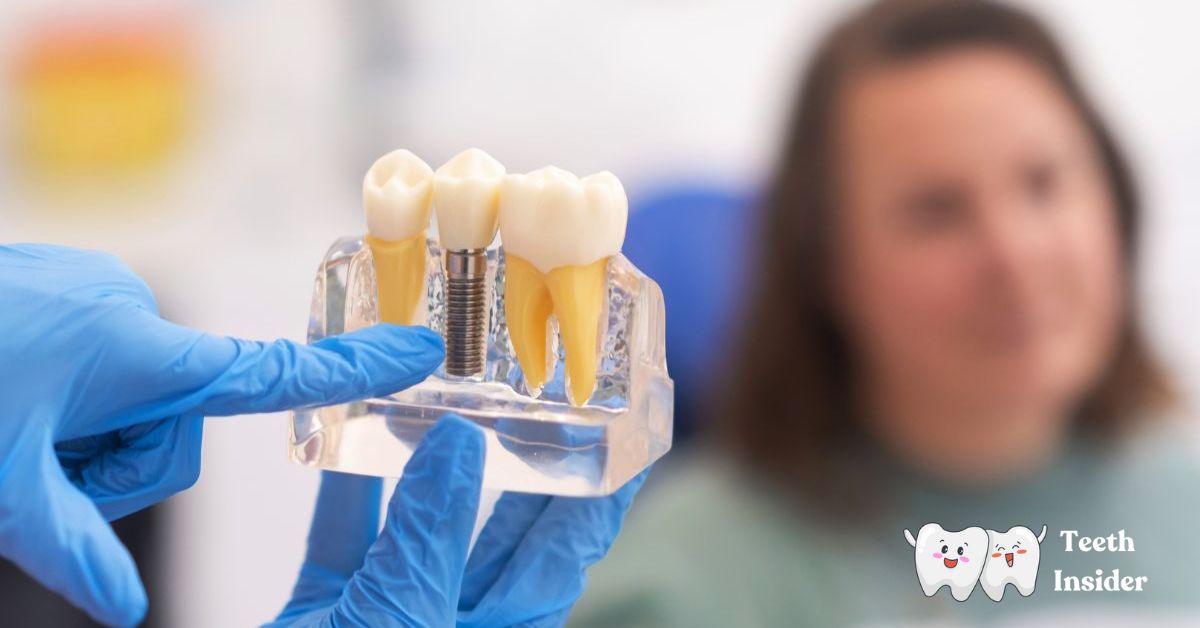
Avoiding dairy after dental implant surgery helps reduce infection risk and supports proper healing during the critical early recovery phase. Certain dairy products can interfere with clot formation and the biological process that allows the implant to bond with the jawbone. Temporary dietary adjustments improve the chances of long-term implant success.
Why this topic matters to patients
After dental implant surgery, recovery is just as important as the procedure itself. Many people wonder are dental implants permanent, especially while navigating the healing phase and making decisions about daily habits like eating and drinking. Dietary mistakes during the first days can delay healing or cause complications, so clear guidance helps protect the implant while the body repairs itself.
The role of diet after dental implant surgery
Diet directly affects inflammation, wound healing, and bone integration following implant placement. Soft, low-risk foods reduce pressure on the surgical site and limit exposure to harmful bacteria during the early stages of recovery.
Why dairy is often restricted after dental implants
Infection risk
Some dairy products can carry bacteria that may enter the surgical site. In the first days after surgery, the gums are vulnerable, and even minor bacterial exposure can increase the risk of infection.
Interference with blood clot formation
Proper clot formation is essential for healing. Dairy products can stimulate saliva production and mucus buildup, which may disturb the clot protecting the implant site.
Impact on osseointegration
Osseointegration is the process where the implant fuses with the jawbone. Inflammation or infection during this phase can interfere with bone healing and compromise implant stability.
What to eat during the first 24 hours
During the initial recovery period, foods should be cool, soft, and easy to swallow.
Suitable options
- Water and clear fluids
- Cold or lukewarm soups
- Sugar-free fruit juices
- Dairy-free protein shakes
- Smooth vegetable purees
- Applesauce
- Bone broth (lukewarm, not hot)
- Soft cereals soaked in plant-based milk
Avoid hot foods, crunchy textures, and anything that requires chewing near the implant site.
What to eat after the first 24 hours
As discomfort decreases, slightly more substantial foods can be introduced while keeping textures soft.
Recommended foods
- Smoothies with plant-based milk
- Scrambled eggs or omelettes
- Mashed or baked potatoes
- Soft pasta
- Oatmeal
- Ground or minced meat
- Steamed vegetables
Chew away from the surgical area and stop if discomfort increases.
When dairy can be reintroduced
Dairy is usually safe to reintroduce once the gums have started to heal and the risk of infection has reduced. This timing varies between patients.
General guidance
- Follow your dentist’s specific instructions
- Start with small amounts
- Avoid hard cheeses or sticky dairy products initially
- Monitor for swelling or discomfort
Dairy can later support recovery by providing calcium and protein once healing is established.
The importance of protein during recovery
Protein is essential for tissue repair, immune function, and maintaining energy levels after surgery.
Dairy-free protein sources
- Eggs
- Fish
- Soft poultry
- Lentils and legumes (well-cooked)
- Plant-based protein powders
- Tofu
Adequate protein intake supports faster healing and reduces complication risks.
Hydration and healing
Staying hydrated supports circulation, nutrient delivery, and tissue repair. Water is the best option during recovery.
Hydration tips
- Sip water regularly throughout the day
- Avoid using straws, which can disturb the surgical site
- Limit sugary or acidic drinks
Common mistakes to avoid
- Eating hot foods too soon
- Consuming crunchy or sticky foods
- Reintroducing dairy without professional advice
- Poor oral hygiene around the surgical area
Careful dietary choices reduce the risk of implant failure.
Frequently Asked Questions
Why is dairy discouraged after dental implant surgery?
It can increase bacterial exposure, disrupt blood clots, and interfere with early healing.
How long should dairy be avoided after implants?
Typically for the first few days, but the exact timeline depends on individual healing and dental advice.
Are plant-based yoghurts acceptable?
Yes, dairy-free alternatives are generally suitable if they are smooth and low in sugar.
Can dairy cause implant failure?
Dairy alone does not cause failure, but early complications linked to infection can affect outcomes.
What is the safest drink after implant surgery?
Plain water is the safest and most recommended option.
Is calcium deficiency a concern without dairy?
Short-term avoidance is not harmful. Calcium can be obtained from leafy greens and fortified foods.
Can I drink coffee after implant surgery?
Hot beverages should be avoided initially. Lukewarm drinks may be allowed after the first day if approved.
Does diet really affect implant success?
Yes. Proper nutrition supports healing and reduces the risk of complications.
Conclusion
Avoiding dairy after dental implant surgery is a short-term precaution designed to protect healing tissue and support successful bone integration. During recovery, many patients ask are dental implants painful, especially when discomfort is linked to food choices and healing sensitivity. By following dietary guidance, prioritising protein and hydration, and reintroducing foods gradually under professional advice, patients can significantly improve recovery outcomes and long-term implant stability.
Author: Clinical Dental Health Writer
Last updated: January 2026